


Engine Parts
This page organizes Engine Parts automotive parts available through the GearHead Garage catalog. It is written to help buyers move from broad research to a fitment-checked purchase by explaining applications, condition questions, comparison points, shipping considerations and common search questions.
What shoppers can find here
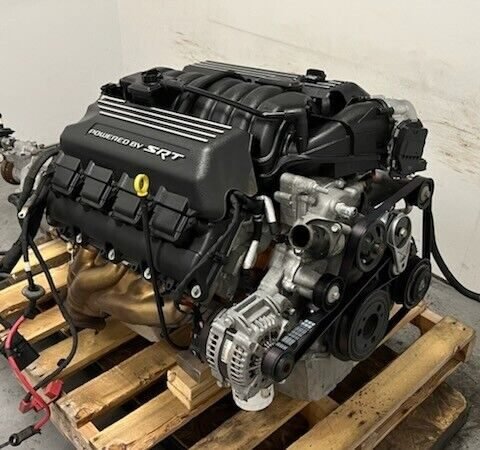
Shoppers browsing Engine Parts automotive parts may be repairing collision damage, restoring a performance vehicle, replacing worn parts or building a customized car. The useful starting point is the exact listing rather than the category name alone. Compare year, make, model, trim, drivetrain, part number and visible mounting details. Search phrases associated with this topic include buy engine block, buy engine mount, buy blower motor, buy fuel injector, buy starter motor, buy engine assembly, buy intake manifold, engine block for sale.
For Engine Parts, a good buying decision combines identification, condition, completeness and total installed cost. Verify the listing details against the vehicle, ask for current media when needed, and avoid treating a visual resemblance as proof of compatibility. The objective is a part that arrives as expected and can be installed without discovering preventable fitment issues.
How to choose the right part
Start with the vehicle identification details and the part being replaced. Photograph labels, connectors, brackets and mounting points. Compare the candidate part with the original, including side-specific orientation, dimensions and option-package features. A VIN or factory part number can reduce mistakes, but current photos and condition confirmation remain important for used inventory.
For Engine Parts, a good buying decision combines identification, condition, completeness and total installed cost. Verify the listing details against the vehicle, ask for current media when needed, and avoid treating a visual resemblance as proof of compatibility. The objective is a part that arrives as expected and can be installed without discovering preventable fitment issues.
New, used and OEM considerations
Automotive shoppers often compare OEM, used and aftermarket options. OEM can be attractive for factory-style fit and original materials, while used OEM may provide strong value for discontinued or expensive components. Aftermarket parts may offer customization or broader availability. The right choice depends on fitment, condition, intended use, budget and how much preparation is required before installation.
For Engine Parts, a good buying decision combines identification, condition, completeness and total installed cost. Verify the listing details against the vehicle, ask for current media when needed, and avoid treating a visual resemblance as proof of compatibility. The objective is a part that arrives as expected and can be installed without discovering preventable fitment issues.
Condition and inspection
Condition should be evaluated according to the type of component. Look for cracks, corrosion, stripped threads, broken tabs, previous repairs, missing hardware, connector damage, heat exposure or wear. Ask for close-up photos and a clear statement of what is included. For safety-critical or electronic components, testing information can be as important as cosmetic appearance.
For Engine Parts, a good buying decision combines identification, condition, completeness and total installed cost. Verify the listing details against the vehicle, ask for current media when needed, and avoid treating a visual resemblance as proof of compatibility. The objective is a part that arrives as expected and can be installed without discovering preventable fitment issues.
Fitment and installation
Do not assume every Engine Parts item fits every model in a platform family. Production changes and option packages can alter dimensions, electronics and brackets. Plan installation before ordering and check whether calibration, coding, alignment, paintwork, brake bleeding or specialized tools are needed. Use factory service information or a qualified technician for safety-related work.
For Engine Parts, a good buying decision combines identification, condition, completeness and total installed cost. Verify the listing details against the vehicle, ask for current media when needed, and avoid treating a visual resemblance as proof of compatibility. The objective is a part that arrives as expected and can be installed without discovering preventable fitment issues.
Buying online and shipping
When buying bulky or valuable auto parts online, confirm the shipping method, packaging and delivery inspection process. Photograph packaging before opening and inspect the product promptly. Keep packing materials until the item has been checked. Clarify what is included and document condition before installation so transit damage can be distinguished from pre-existing wear.
For Engine Parts, a good buying decision combines identification, condition, completeness and total installed cost. Verify the listing details against the vehicle, ask for current media when needed, and avoid treating a visual resemblance as proof of compatibility. The objective is a part that arrives as expected and can be installed without discovering preventable fitment issues.
SEO and search intent
People searching for Engine Parts automotive parts use broad, transactional and question-style queries. Relevant phrases from the supplied keyword research include engine block supplier, engine block delivery, engine mount for sale, engine mount supplier, engine mount delivery, blower motor for sale, blower motor supplier, blower motor delivery, fuel injector for sale, fuel injector supplier, fuel injector delivery, starter motor for sale. These phrases are best used naturally in helpful copy, headings and FAQs rather than repeated as a keyword list.
For Engine Parts, a good buying decision combines identification, condition, completeness and total installed cost. Verify the listing details against the vehicle, ask for current media when needed, and avoid treating a visual resemblance as proof of compatibility. The objective is a part that arrives as expected and can be installed without discovering preventable fitment issues.
Frequently asked questions
Common questions include: How do I confirm fitment? Should I buy OEM or aftermarket? What should I inspect on a used part? How much does shipping cost? What information should I send for a compatibility check? Does the part need coding, paint or calibration? Each product listing should answer these questions with details specific to that exact item.
For Engine Parts, a good buying decision combines identification, condition, completeness and total installed cost. Verify the listing details against the vehicle, ask for current media when needed, and avoid treating a visual resemblance as proof of compatibility. The objective is a part that arrives as expected and can be installed without discovering preventable fitment issues.
What shoppers can find here
Shoppers browsing Engine Parts automotive parts may be repairing collision damage, restoring a performance vehicle, replacing worn parts or building a customized car. The useful starting point is the exact listing rather than the category name alone. Compare year, make, model, trim, drivetrain, part number and visible mounting details. Search phrases associated with this topic include buy engine block, buy engine mount, buy blower motor, buy fuel injector, buy starter motor, buy engine assembly, buy intake manifold, engine block for sale.
For Engine Parts, a good buying decision combines identification, condition, completeness and total installed cost. Verify the listing details against the vehicle, ask for current media when needed, and avoid treating a visual resemblance as proof of compatibility. The objective is a part that arrives as expected and can be installed without discovering preventable fitment issues.
How to choose the right part
Start with the vehicle identification details and the part being replaced. Photograph labels, connectors, brackets and mounting points. Compare the candidate part with the original, including side-specific orientation, dimensions and option-package features. A VIN or factory part number can reduce mistakes, but current photos and condition confirmation remain important for used inventory.
For Engine Parts, a good buying decision combines identification, condition, completeness and total installed cost. Verify the listing details against the vehicle, ask for current media when needed, and avoid treating a visual resemblance as proof of compatibility. The objective is a part that arrives as expected and can be installed without discovering preventable fitment issues.
New, used and OEM considerations
Automotive shoppers often compare OEM, used and aftermarket options. OEM can be attractive for factory-style fit and original materials, while used OEM may provide strong value for discontinued or expensive components. Aftermarket parts may offer customization or broader availability. The right choice depends on fitment, condition, intended use, budget and how much preparation is required before installation.
For Engine Parts, a good buying decision combines identification, condition, completeness and total installed cost. Verify the listing details against the vehicle, ask for current media when needed, and avoid treating a visual resemblance as proof of compatibility. The objective is a part that arrives as expected and can be installed without discovering preventable fitment issues.
Condition and inspection
Condition should be evaluated according to the type of component. Look for cracks, corrosion, stripped threads, broken tabs, previous repairs, missing hardware, connector damage, heat exposure or wear. Ask for close-up photos and a clear statement of what is included. For safety-critical or electronic components, testing information can be as important as cosmetic appearance.
For Engine Parts, a good buying decision combines identification, condition, completeness and total installed cost. Verify the listing details against the vehicle, ask for current media when needed, and avoid treating a visual resemblance as proof of compatibility. The objective is a part that arrives as expected and can be installed without discovering preventable fitment issues.
Fitment and installation
Do not assume every Engine Parts item fits every model in a platform family. Production changes and option packages can alter dimensions, electronics and brackets. Plan installation before ordering and check whether calibration, coding, alignment, paintwork, brake bleeding or specialized tools are needed. Use factory service information or a qualified technician for safety-related work.
For Engine Parts, a good buying decision combines identification, condition, completeness and total installed cost. Verify the listing details against the vehicle, ask for current media when needed, and avoid treating a visual resemblance as proof of compatibility. The objective is a part that arrives as expected and can be installed without discovering preventable fitment issues.
Buying online and shipping
When buying bulky or valuable auto parts online, confirm the shipping method, packaging and delivery inspection process. Photograph packaging before opening and inspect the product promptly. Keep packing materials until the item has been checked. Clarify what is included and document condition before installation so transit damage can be distinguished from pre-existing wear.
For Engine Parts, a good buying decision combines identification, condition, completeness and total installed cost. Verify the listing details against the vehicle, ask for current media when needed, and avoid treating a visual resemblance as proof of compatibility. The objective is a part that arrives as expected and can be installed without discovering preventable fitment issues.
SEO and search intent
People searching for Engine Parts automotive parts use broad, transactional and question-style queries. Relevant phrases from the supplied keyword research include engine block supplier, engine block delivery, engine mount for sale, engine mount supplier, engine mount delivery, blower motor for sale, blower motor supplier, blower motor delivery, fuel injector for sale, fuel injector supplier, fuel injector delivery, starter motor for sale. These phrases are best used naturally in helpful copy, headings and FAQs rather than repeated as a keyword list.
For Engine Parts, a good buying decision combines identification, condition, completeness and total installed cost. Verify the listing details against the vehicle, ask for current media when needed, and avoid treating a visual resemblance as proof of compatibility. The objective is a part that arrives as expected and can be installed without discovering preventable fitment issues.
Frequently asked questions
Common questions include: How do I confirm fitment? Should I buy OEM or aftermarket? What should I inspect on a used part? How much does shipping cost? What information should I send for a compatibility check? Does the part need coding, paint or calibration? Each product listing should answer these questions with details specific to that exact item.
For Engine Parts, a good buying decision combines identification, condition, completeness and total installed cost. Verify the listing details against the vehicle, ask for current media when needed, and avoid treating a visual resemblance as proof of compatibility. The objective is a part that arrives as expected and can be installed without discovering preventable fitment issues.
What shoppers can find here
Shoppers browsing Engine Parts automotive parts may be repairing collision damage, restoring a performance vehicle, replacing worn parts or building a customized car. The useful starting point is the exact listing rather than the category name alone. Compare year, make, model, trim, drivetrain, part number and visible mounting details. Search phrases associated with this topic include buy engine block, buy engine mount, buy blower motor, buy fuel injector, buy starter motor, buy engine assembly, buy intake manifold, engine block for sale.
For Engine Parts, a good buying decision combines identification, condition, completeness and total installed cost. Verify the listing details against the vehicle, ask for current media when needed, and avoid treating a visual resemblance as proof of compatibility. The objective is a part that arrives as expected and can be installed without discovering preventable fitment issues.
How to choose the right part
Start with the vehicle identification details and the part being replaced. Photograph labels, connectors, brackets and mounting points. Compare the candidate part with the original, including side-specific orientation, dimensions and option-package features. A VIN or factory part number can reduce mistakes, but current photos and condition confirmation remain important for used inventory.
For Engine Parts, a good buying decision combines identification, condition, completeness and total installed cost. Verify the listing details against the vehicle, ask for current media when needed, and avoid treating a visual resemblance as proof of compatibility. The objective is a part that arrives as expected and can be installed without discovering preventable fitment issues.
New, used and OEM considerations
Automotive shoppers often compare OEM, used and aftermarket options. OEM can be attractive for factory-style fit and original materials, while used OEM may provide strong value for discontinued or expensive components. Aftermarket parts may offer customization or broader availability. The right choice depends on fitment, condition, intended use, budget and how much preparation is required before installation.
For Engine Parts, a good buying decision combines identification, condition, completeness and total installed cost. Verify the listing details against the vehicle, ask for current media when needed, and avoid treating a visual resemblance as proof of compatibility. The objective is a part that arrives as expected and can be installed without discovering preventable fitment issues.
Condition and inspection
Condition should be evaluated according to the type of component. Look for cracks, corrosion, stripped threads, broken tabs, previous repairs, missing hardware, connector damage, heat exposure or wear. Ask for close-up photos and a clear statement of what is included. For safety-critical or electronic components, testing information can be as important as cosmetic appearance.
For Engine Parts, a good buying decision combines identification, condition, completeness and total installed cost. Verify the listing details against the vehicle, ask for current media when needed, and avoid treating a visual resemblance as proof of compatibility. The objective is a part that arrives as expected and can be installed without discovering preventable fitment issues.
Fitment and installation
Do not assume every Engine Parts item fits every model in a platform family. Production changes and option packages can alter dimensions, electronics and brackets. Plan installation before ordering and check whether calibration, coding, alignment, paintwork, brake bleeding or specialized tools are needed. Use factory service information or a qualified technician for safety-related work.
For Engine Parts, a good buying decision combines identification, condition, completeness and total installed cost. Verify the listing details against the vehicle, ask for current media when needed, and avoid treating a visual resemblance as proof of compatibility. The objective is a part that arrives as expected and can be installed without discovering preventable fitment issues.
Buying online and shipping
When buying bulky or valuable auto parts online, confirm the shipping method, packaging and delivery inspection process. Photograph packaging before opening and inspect the product promptly. Keep packing materials until the item has been checked. Clarify what is included and document condition before installation so transit damage can be distinguished from pre-existing wear.
For Engine Parts, a good buying decision combines identification, condition, completeness and total installed cost. Verify the listing details against the vehicle, ask for current media when needed, and avoid treating a visual resemblance as proof of compatibility. The objective is a part that arrives as expected and can be installed without discovering preventable fitment issues.
SEO and search intent
People searching for Engine Parts automotive parts use broad, transactional and question-style queries. Relevant phrases from the supplied keyword research include engine block supplier, engine block delivery, engine mount for sale, engine mount supplier, engine mount delivery, blower motor for sale, blower motor supplier, blower motor delivery, fuel injector for sale, fuel injector supplier, fuel injector delivery, starter motor for sale. These phrases are best used naturally in helpful copy, headings and FAQs rather than repeated as a keyword list.
For Engine Parts, a good buying decision combines identification, condition, completeness and total installed cost. Verify the listing details against the vehicle, ask for current media when needed, and avoid treating a visual resemblance as proof of compatibility. The objective is a part that arrives as expected and can be installed without discovering preventable fitment issues.
Frequently asked questions
Common questions include: How do I confirm fitment? Should I buy OEM or aftermarket? What should I inspect on a used part? How much does shipping cost? What information should I send for a compatibility check? Does the part need coding, paint or calibration? Each product listing should answer these questions with details specific to that exact item.
For Engine Parts, a good buying decision combines identification, condition, completeness and total installed cost. Verify the listing details against the vehicle, ask for current media when needed, and avoid treating a visual resemblance as proof of compatibility. The objective is a part that arrives as expected and can be installed without discovering preventable fitment issues.
What shoppers can find here
Shoppers browsing Engine Parts automotive parts may be repairing collision damage, restoring a performance vehicle, replacing worn parts or building a customized car. The useful starting point is the exact listing rather than the category name alone. Compare year, make, model, trim, drivetrain, part number and visible mounting details. Search phrases associated with this topic include buy engine block, buy engine mount, buy blower motor, buy fuel injector, buy starter motor, buy engine assembly, buy intake manifold, engine block for sale.
For Engine Parts, a good buying decision combines identification, condition, completeness and total installed cost. Verify the listing details against the vehicle, ask for current media when needed, and avoid treating a visual resemblance as proof of compatibility. The objective is a part that arrives as expected and can be installed without discovering preventable fitment issues.
Showing 1–9 of 18 results