
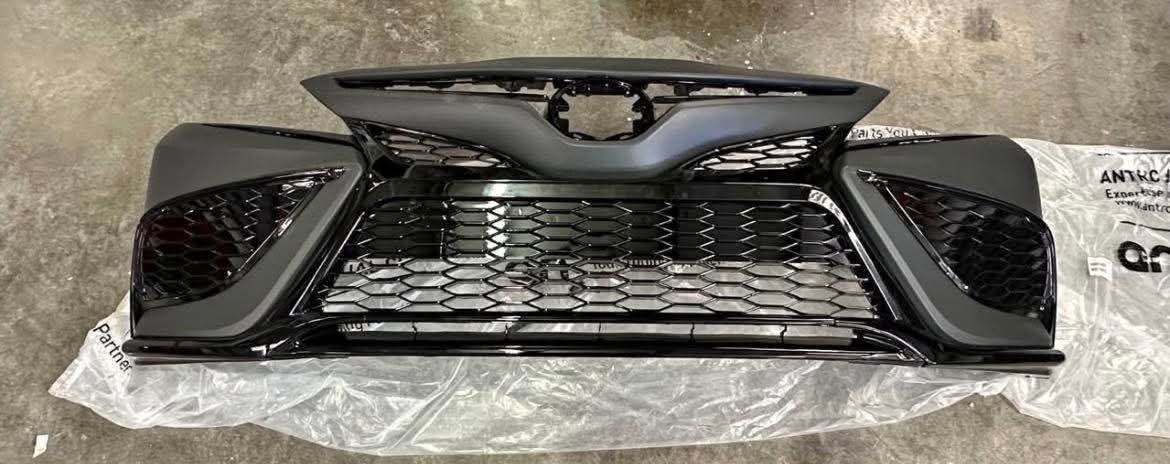
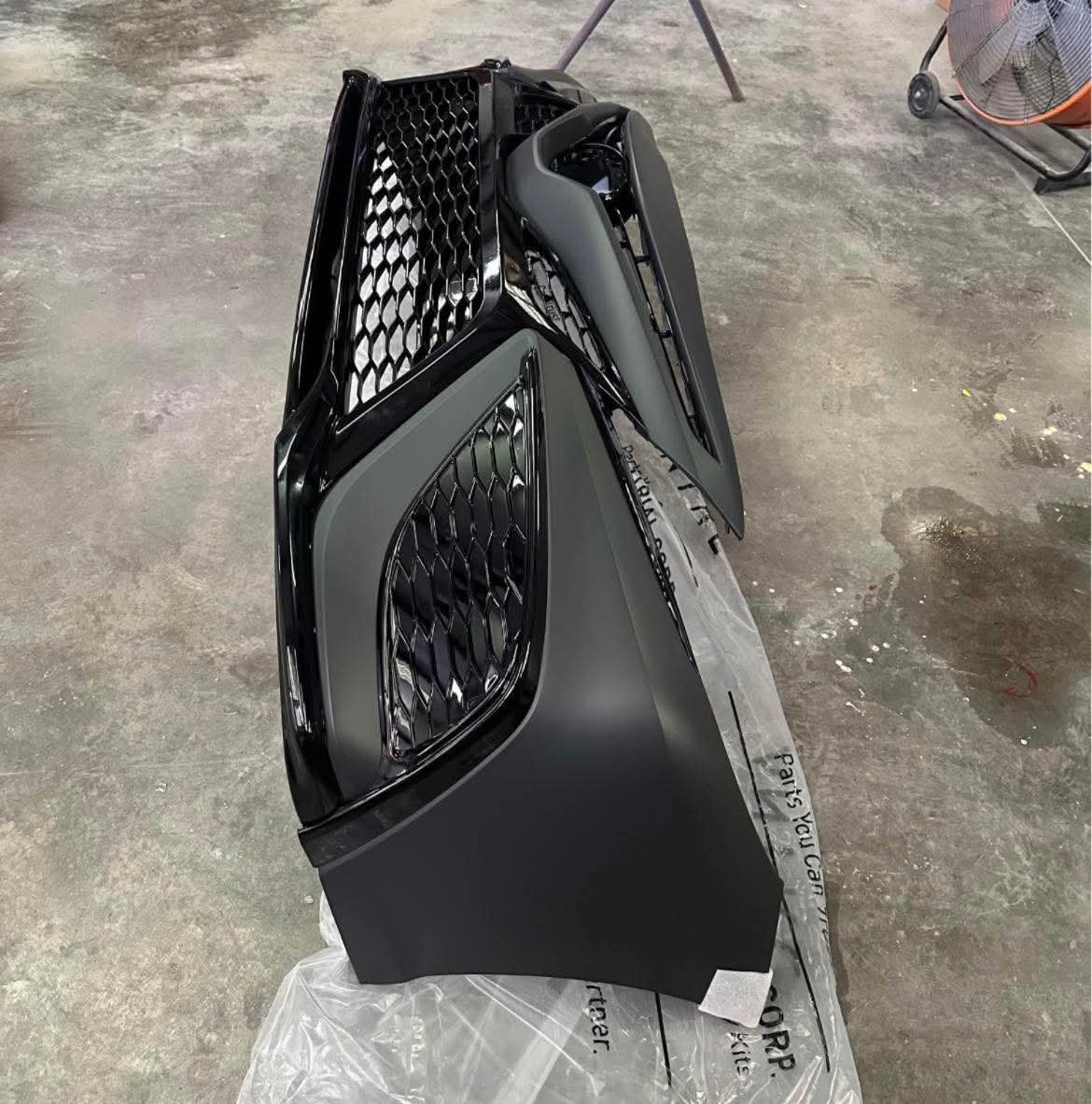
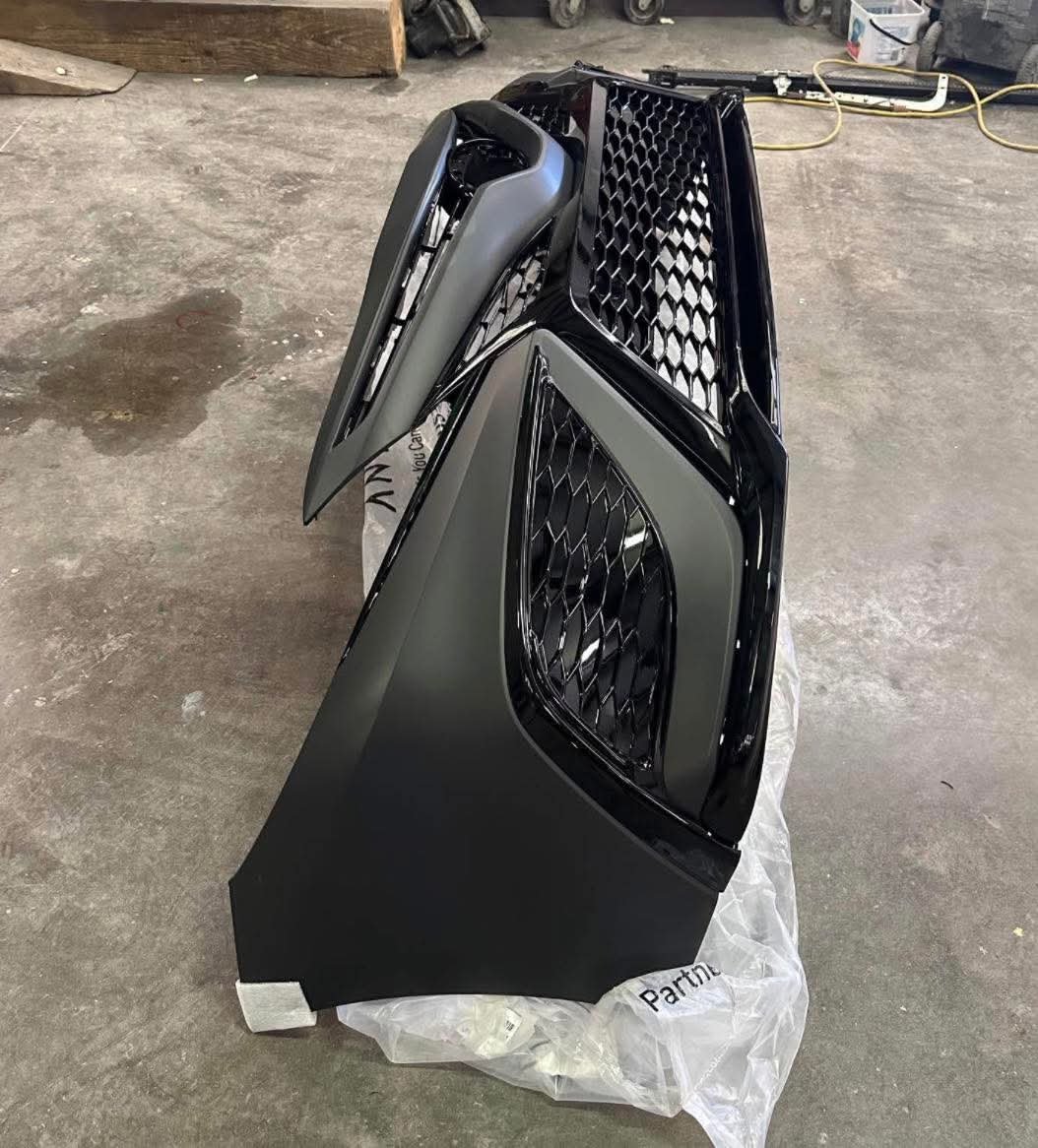
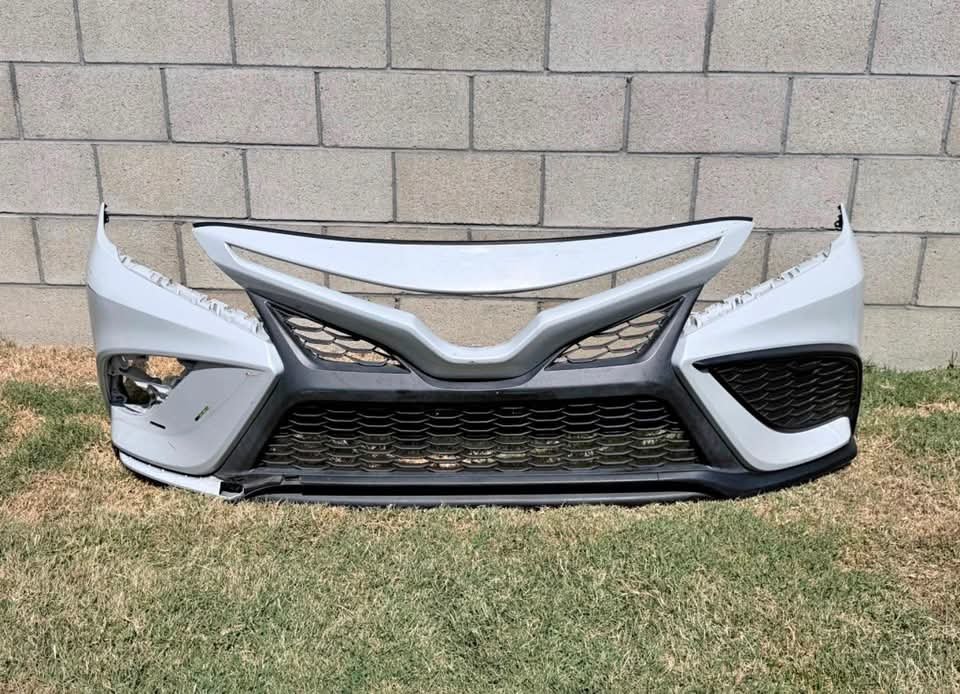
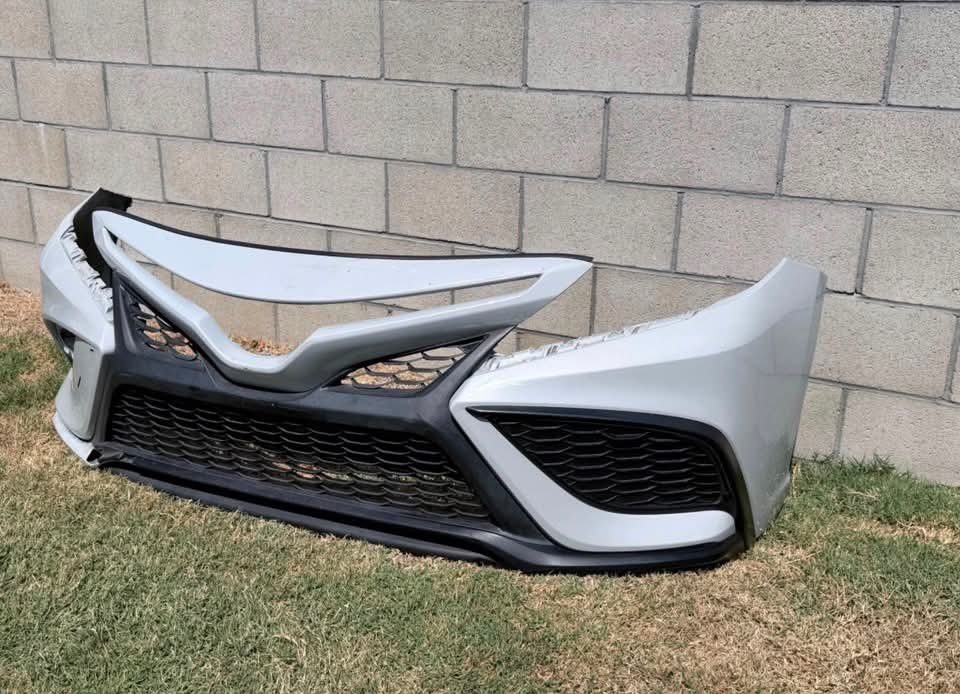
2021–2023 Toyota Camry OEM Front Bumper Assembly
Restore the appearance and front-end fit of a compatible 2021, 2022 or 2023 Toyota Camry with an OEM front bumper assembly. Designed around Toyota factory dimensions, this replacement is a practical choice for collision repair, bodywork and vehicle restoration. Because bumper designs and equipment differ by trim and option package, customers should verify the VIN, trim, sensor layout and included components before purchase.
Product Description
If the front of your Toyota Camry has been damaged, replacing it with the correct bumper is one of the most important steps in restoring the vehicle’s appearance, alignment and everyday usability. This 2021–2023 Toyota Camry OEM front bumper assembly is intended for compatible Camry models within the listed production years. It is an excellent option for owners, collision-repair professionals, body shops, dealerships and automotive resellers searching for a factory-style replacement rather than a poorly fitting generic component.
The front bumper is one of the first parts people notice when viewing a vehicle. Even moderate scratches, cracks, broken mounting tabs, distorted corners or damaged grille openings can make an otherwise clean Camry look neglected. More serious front-end damage may also leave the bumper sitting unevenly beneath the headlights or creating visible gaps near the fenders. Installing a correctly matched OEM component helps return the front end to a clean, complete and professionally repaired appearance.
An OEM bumper is manufactured to follow the original vehicle design. That matters because modern bumper systems are more complex than a single piece of molded plastic. Depending on the Camry trim and equipment, the front area may include the bumper cover, upper and lower grilles, trim moldings, fog-light or accent-light openings, brackets, retainers, an impact absorber, reinforcement hardware, parking sensors and components associated with Toyota driver-assistance technology. These parts must work together and align correctly.
For that reason, buyers should not rely on model year alone. The 2021, 2022 and 2023 Toyota Camry lineup includes multiple trim levels and appearance packages. Bumper styling may vary between LE, XLE, SE, XSE, Hybrid and other configurations. Sensor openings, grille shapes, lower valances, side accents and mounting provisions can also differ. Before ordering, compare the existing bumper, confirm the trim level and provide the vehicle identification number when possible.
This listing is written to help you understand the benefits of an OEM Camry bumper, the fitment details that should be checked and the questions to ask before purchasing. The exact condition, color and included components must always be confirmed from the product photographs and seller’s written inventory details.
Why Choose an OEM Toyota Camry Front Bumper?
Choosing an OEM replacement can make a noticeable difference during installation and in the finished repair. OEM means original equipment manufacturer. In practical terms, the part was produced for the vehicle manufacturer’s specifications and is designed around the Camry’s factory body lines, mounting locations and surrounding components.
One of the main advantages is fit. A bumper must align with the hood, fenders, headlights, splash shields, grille and lower front-end trim. If its shape or mounting points are slightly incorrect, the result may include uneven gaps, corners that pull away from the body, misaligned grille sections or excessive adjustment during installation. A correctly identified OEM bumper generally offers the best starting point for achieving the intended factory appearance.
OEM construction is also valuable when reusing original brackets, moldings and trim. Aftermarket bumper covers can be suitable for some repairs, but quality and dimensions vary by manufacturer. Some require additional preparation, trimming or adjustment. An original Toyota component is usually preferred when the buyer wants factory-style contours and compatibility with original surrounding parts.
For collision shops, using an OEM assembly may also reduce uncertainty during the repair process. Technicians can compare mounting locations with the removed factory bumper and transfer compatible components where required. For vehicle owners, the main benefit is confidence that the replacement was designed for a Toyota Camry rather than being a broadly interpreted copy.
OEM does not mean that every 2021–2023 Camry bumper is identical. The word describes the origin and design standard, not universal compatibility. Exact fit still depends on the year, trim, body configuration and installed equipment.
Designed for 2021, 2022 and 2023 Toyota Camry Models
This product targets buyers searching for a front bumper for the following model years:
- 2021 Toyota Camry front bumper assembly
- 2022 Toyota Camry front bumper assembly
- 2023 Toyota Camry front bumper assembly
These vehicles belong to the eighth-generation Camry family, but styling and equipment can vary within the same generation. A bumper that visually resembles your original part may still have differences in the lower grille, decorative inserts, sensor positions, mounting tabs or openings for lights and accessories.
The safest fitment process begins with the VIN. A VIN-based parts lookup can identify the vehicle’s original configuration and help determine the correct Toyota part number. You should also confirm the trim badge and inspect the current bumper closely. If the bumper has parking-assist sensors, count the sensor openings. If it includes fog lights, accent lamps or model-specific side trim, confirm that the replacement has matching provisions.
If the original bumper is too damaged for easy comparison, clear photographs of the front end, VIN label and undamaged surrounding parts can help a seller or body shop review compatibility. Never paint or permanently modify a replacement bumper until fitment has been confirmed.
Trim-Level Fitment: LE, SE, XLE, XSE and Hybrid
Toyota offered the Camry in several configurations during the 2021–2023 period. Search phrases such as “2022 Camry SE front bumper” or “2023 Camry XSE bumper assembly” are common because the sport-oriented and luxury-oriented trims may use visibly different front-end styling.
The LE and XLE generally use a different visual treatment from the SE and XSE. Sport trims often have more aggressive grille and corner styling, while other trims emphasize a broader, more refined lower-front design. Hybrid models can also have trim-specific components or equipment variations. Special appearance packages may create additional differences.
Because of these variations, this assembly should only be described as fitting a specific trim when that compatibility has been verified. If your store has the exact Toyota part number, publish it prominently. If the part number is unavailable, include detailed photographs of the front, back, grille openings, sensor openings, mounting tabs and labels.
Recommended fitment checks include:
- Confirm the exact model year.
- Confirm the trim level: LE, SE, XLE, XSE, Hybrid or another package.
- Compare the OEM part number, if available.
- Check the upper and lower grille design.
- Check for parking-sensor openings.
- Check for fog lights, accent lights or trim openings.
- Confirm whether the bumper has camera or driver-assistance mounting provisions.
- Compare the side contours where the bumper meets both fenders.
- Inspect the headlight-area shape and attachment points.
- Provide the VIN to the seller or installer for final verification.
These steps protect both buyer and seller from avoidable fitment errors.
What Is Included in a Front Bumper Assembly?
The phrase front bumper assembly can mean different things in automotive listings. Some sellers use it for a complete take-off unit containing the bumper cover, grilles, trim and brackets. Others use it for a bumper cover with only a few attached pieces. A bare bumper cover is not the same as a complete assembly.
Depending on the individual item, possible components may include:
- Exterior front bumper cover
- Upper or lower grille
- Side grille inserts
- Decorative moldings or accents
- Lower valance or air deflector
- Bumper brackets and retainers
- Energy absorber
- Reinforcement bar
- Tow-hook cover
- Sensor retainers or sensor openings
- Fog-light or accent-light bezels
- Splash-shield attachment sections
- License-plate mounting area
Unless the seller specifically states otherwise, do not assume that cameras, radar units, electronic parking sensors, wiring harnesses, lamps, emblems, reinforcement parts or mounting hardware are included. Review the photographs carefully and ask for a written list of included components.
For an online store, the clearest presentation is to add an “Included” section and a “Not Included” section. This reduces questions, improves buyer confidence and prevents a customer from assuming that every part visible in a reference diagram arrives with the order.
Condition and Quality Inspection
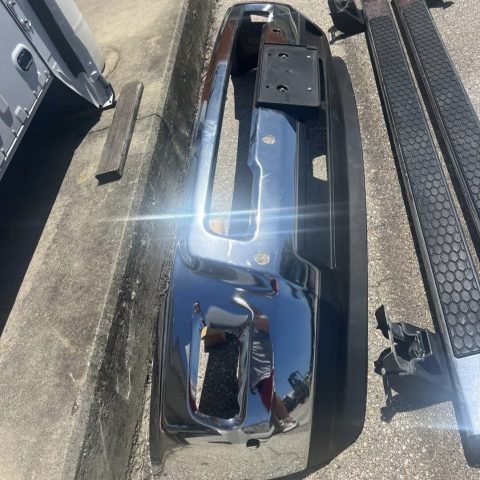
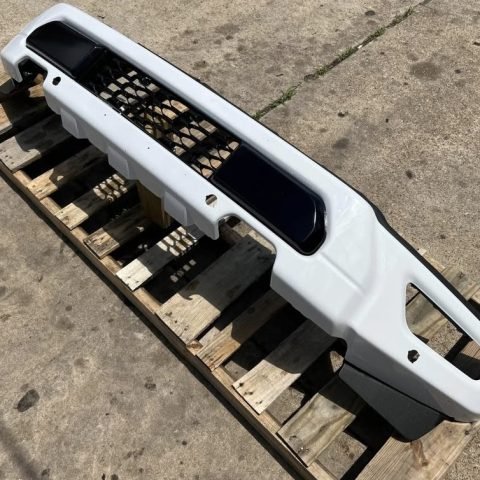
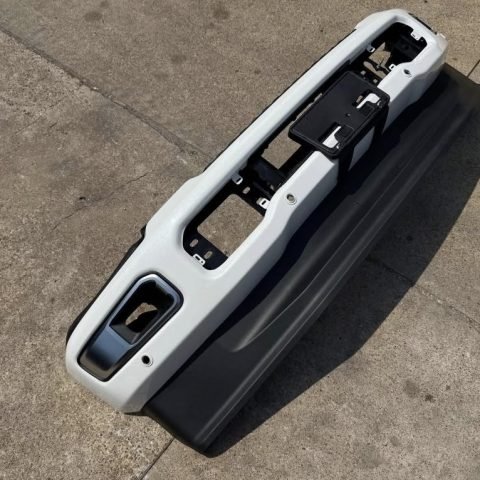
The condition of an OEM Camry bumper depends on whether it is new, used, refinished, repaired or removed from another vehicle. The product page should identify the condition accurately. Avoid describing a used bumper as flawless unless it has been inspected carefully under good lighting.
A quality inspection should cover the exterior surface and the back of the bumper. The visible face may have scratches, scuffs, stone marks, paint transfer or small dents. The rear view is equally important because it reveals mounting tabs, repaired areas, broken brackets and attachment points that are not visible when the bumper is installed.
Important inspection areas include:
- Left and right fender attachment points
- Mounting tabs beneath the headlights
- Upper radiator-support attachment areas
- Lower splash-shield mounting holes
- Grille clips and retainers
- Sensor brackets and bezels
- Corners where stress cracks commonly appear
- Tow-hook-cover opening
- Lower lip and air-deflector areas
- Previous plastic repairs or refinishing work
A used OEM bumper can still be a valuable replacement even when it needs preparation and paint. Cosmetic wear is different from structural damage. Light surface scratches may be addressed during normal body-shop preparation, while missing tabs, deep cracks or distorted mounting areas can require specialized repair or component replacement.
Buyers should base their decision on actual images of the item. Stock photographs are useful for showing design, but they do not establish the condition of the bumper being sold. Ask for close-up pictures if any area is unclear.
Paint Color and Refinishing
Even if the bumper appears to be the same color as your Toyota Camry, professional paint matching may still be necessary. Vehicle paint changes over time because of sunlight, weather, previous refinishing and normal aging. Two panels with the same factory paint code can look slightly different when installed side by side.
Many replacement bumpers are sold unpainted, primed or in their existing used color. A used bumper may have clear-coat wear, scratches or a shade that does not match your vehicle precisely. A body shop can inspect the surface, repair minor imperfections, prepare the material and refinish it to match the surrounding panels.
If the bumper has already been painted, the paint code should be treated as helpful information rather than a guaranteed visual match. Confirm the code on the vehicle and discuss blending or color correction with the installer. Do not assume a bumper is ready to install solely because the color name sounds correct.
Before refinishing, the shop should complete a test fit. Painting a bumper that later proves incompatible can make a return difficult or impossible. Test fitting first is one of the simplest ways to reduce cost and inconvenience.
Factory Appearance and Front-End Alignment
A well-fitted bumper contributes to the Camry’s entire front-end presentation. The panel gaps beneath the headlights should appear consistent. The corners should meet the fenders cleanly, and the grille should sit in the intended position. Lower trim and splash shields should attach securely without being forced.
When a replacement bumper looks uneven, the bumper itself may not be the only cause. Collision damage can affect brackets, retainers, the reinforcement bar, radiator support, fender edges or other mounting structures. Replacing the cover without correcting damaged supporting parts may leave poor gaps or loose corners.
A qualified collision technician should inspect the underlying structure before installation. Small retainers and brackets are inexpensive compared with the bumper, but they play an important role in alignment. Worn or broken fasteners should not simply be reused to save time.
An OEM assembly provides factory-designed contours, yet the final result still depends on correct fitment, undamaged mounting points and careful installation.
Sensors, Driver-Assistance Equipment and Calibration
Modern Toyota Camry front ends may contain equipment connected to parking assistance or driver-assistance systems. The exact equipment varies by trim, options and market. A bumper may need specific holes, brackets or trim for sensors. Parts that look nearly identical in photographs can differ because one version supports equipment that another does not.
If your Camry has parking sensors, make sure the replacement has the correct number and position of openings. Sensor retainers must hold components at the intended angle. Improvised holes or incorrectly placed brackets may affect appearance and operation.
Driver-assistance components located near the front of the vehicle should be handled by trained professionals. If a collision, bumper removal or component replacement affects a camera, radar unit, sensor or related mounting position, inspection and calibration may be required according to Toyota repair procedures. Calibration needs depend on the vehicle and work performed.
The bumper cover itself should never be advertised as including electronic modules unless those exact parts are physically present, tested where possible and listed in writing. Buyers should also be told whether wiring, brackets and sensor holders are included.
For safety and reliable system performance, installation and any required calibration should be completed by a qualified repair facility with appropriate service information and equipment.
When Should You Replace a Toyota Camry Front Bumper?
A bumper replacement may be appropriate after a front-end collision, parking impact, road-debris strike or previous low-quality repair. It may also be chosen for cosmetic restoration when the current bumper has extensive peeling paint, multiple cracks or missing sections.
Common reasons for replacement include:
- Cracks that continue through visible or mounting areas
- Broken side tabs that prevent secure fender alignment
- Torn grille openings
- Severe deformation or warping
- Missing lower sections
- Multiple unsuccessful previous repairs
- Damage around sensor holders
- Extensive scraping across several areas
- Poor fit from an earlier aftermarket replacement
- Restoration of a salvage or project vehicle
Not every damaged bumper requires complete replacement. A body shop may be able to repair minor scratches, small dents or limited plastic damage. The decision depends on repair cost, labor time, parts availability and the condition of the mounting areas. When repair costs approach the price of a suitable OEM replacement, installing the replacement can be the more practical choice.
Installation Recommendations
Professional installation is recommended for a 2021–2023 Toyota Camry OEM front bumper assembly. While the component may appear straightforward, correct installation can involve removing fasteners from the upper cover area, wheel-well liners and lower splash shields. Grilles, trim pieces, lights, harnesses, sensor retainers and brackets may need to be transferred from the original bumper.
A technician can also identify hidden damage that was not obvious before disassembly. If a bracket is bent or a retainer is broken, the new bumper may not align until that supporting part is replaced. Attempting to force the bumper into position can damage tabs or create stress around the mounting holes.
Recommended installation sequence:
- Inspect the replacement before painting or modifying it.
- Compare part numbers and design details with the original.
- Check all mounting tabs, openings and brackets.
- Test fit the bumper on the vehicle.
- Correct damaged underlying brackets or supports.
- Transfer compatible grilles, moldings and accessories.
- Complete surface preparation and refinishing.
- Install with the correct retainers and fasteners.
- Verify panel gaps, lighting and sensor operation.
- Complete any required system calibration.
This process supports a cleaner repair and helps prevent damage to a freshly painted component.
Benefits for Camry Owners and Repair Professionals
For individual owners, an OEM bumper can help restore confidence in the vehicle after front-end damage. The car looks more complete, the front body lines are improved and missing or loose trim can be properly addressed. A clean repair may also support resale presentation because prospective buyers often pay close attention to uneven body gaps and mismatched exterior components.
For body shops, a correctly matched OEM part offers a dependable basis for estimating labor and completing the repair. Technicians are familiar with factory attachment points and can identify which original pieces must be transferred. A complete used take-off assembly may also provide several compatible trim components in one purchase, depending on what is included.
For resellers and rebuilders, the main value is the combination of original styling and potential cost savings compared with purchasing every component separately. However, total project cost should include freight, paintwork, missing trim, clips, brackets, electronic parts and calibration—not only the advertised bumper price.
Shipping and Handling for a Camry Front Bumper
Front bumper assemblies are large, lightweight relative to their size and vulnerable to shipping damage if packed poorly. The corners, lower lip, grille openings and mounting tabs require protection. A bumper should not be shipped with heavy items resting against its visible surface.
Before dispatch, the seller should photograph the part, protect delicate edges and secure loose components. Depending on the size and whether reinforcement pieces are included, the order may travel by oversized parcel service or freight carrier. Shipping charges can vary significantly by distance, packaging dimensions and destination type.
Customers should inspect the package at delivery. If the carton or wrapping shows obvious damage, photograph it before opening when possible. After unpacking, compare the bumper with the seller’s original images and report shipping damage promptly under the carrier and seller’s stated procedures.
Do not discard the packaging until the part has been inspected and compatibility has been confirmed. Original packaging may be required for a shipping claim or authorized return.
How to Verify Fitment Before Ordering
Accurate fitment verification is the most important step in buying a replacement bumper online. A listing title cannot describe every variation. Send the seller complete vehicle information rather than asking only whether the bumper fits “a Camry.”
Provide:
- Full 17-character VIN
- Model year
- Trim level
- Gasoline or hybrid configuration
- Clear front photograph of the vehicle
- Photograph of the original bumper before removal, if available
- Number and location of parking sensors
- Details about fog lights or accent lights
- OEM part number from the original bumper, if readable
- Description of any appearance package or special edition
Ask the seller to confirm whether the listing is a bare cover or an assembly. Request a list of included components and images of the back. If the product has a visible Toyota label or part number, compare it through a Toyota dealer or qualified parts catalog.
Fitment confirmation should occur before payment, paintwork and installation. The VIN is a strong starting point, but the installer should still compare the physical part when it arrives.
Why Buy This 2021–2023 Toyota Camry OEM Front Bumper Assembly?
This OEM front bumper assembly is a practical solution for a compatible Toyota Camry that needs front-end restoration. It offers factory-style dimensions, original design character and the potential for better alignment with surrounding OEM components than an unidentified generic replacement.
Key reasons to consider it include:
- Intended for compatible 2021–2023 Toyota Camry applications
- OEM factory-style shape and mounting design
- Suitable for collision repair or cosmetic restoration
- Useful for replacing cracked, distorted or heavily scratched bumpers
- May allow reuse of compatible original Toyota trim and hardware
- Supports a cleaner, more complete front-end appearance
- Available fitment review using VIN, trim and equipment details
- Individual condition can be evaluated from actual product photographs
The final suitability depends on the specific bumper offered. Buyers should confirm condition, trim compatibility, paint needs, included components and shipping terms.
Frequently Asked Questions
Will this bumper fit every 2021–2023 Toyota Camry?
No. Camry bumpers can differ by model year, trim, appearance package, hybrid configuration and installed equipment. LE, SE, XLE and XSE versions may have different grille and trim designs. Always verify the VIN, OEM part number, sensor layout and physical appearance before ordering.
Is this an original Toyota part?
The term OEM indicates an original-equipment component designed to Toyota specifications. The seller should provide photographs of labels, markings or part numbers when available. Confirm the individual item details rather than relying only on a generic title.
Is the bumper cover the same as a complete bumper assembly?
No. A bumper cover is the visible exterior shell. A complete assembly may include grilles, trim, brackets, absorber, reinforcement and other pieces. Sellers use the word “assembly” differently, so review the included-parts list and actual photographs.
Does the bumper include the grille?
Only if the grille is shown in the actual product images and listed as included. Some units are sold with upper and lower grilles, while others are cover-only. Confirm before purchase.
Are parking sensors included?
Do not assume sensors are included. A bumper may have sensor holes or retainers without electronic sensors. Ask whether the sensors, wiring and brackets are present and whether they have been tested.
Does it come painted?
Condition varies. The bumper may be unpainted, primed or finished in an existing vehicle color. Even a matching paint code may require refinishing for an accurate visual match.
Can I install it myself?
Professional installation is recommended. The work may involve transferring trim and electronics, correcting hidden bracket damage, aligning panels and completing system calibration. Improper installation can damage mounting tabs or leave uneven gaps.
Will an SE bumper fit an LE Camry?
Do not assume direct interchangeability. The designs and attached components may differ. Conversions can require additional grilles, trim, brackets or modifications and may not be appropriate. Confirm compatibility using Toyota parts information and a qualified installer.
Can the bumper be shipped?
Shipping is usually possible, but the method and price depend on dimensions, included components and destination. Oversized parcel or freight service may be required. Ask for a shipping quote using the complete postal code.
What should I inspect when the bumper arrives?
Check the visible surface, corners, lower edge, grille openings and every mounting tab. Compare the received item with the listing photographs. Keep the packaging until inspection and fitment review are complete.
Should the bumper be test fitted before painting?
Yes. A test fit allows the installer to confirm compatibility and alignment before refinishing. Painting, drilling or modifying a part can affect return eligibility.
Does replacement require calibration?
Calibration may be necessary if driver-assistance sensors, radar, cameras or their mounting positions are disturbed. Requirements vary by vehicle equipment and repair procedure. A qualified facility should consult Toyota service information for the specific VIN.
Can a used OEM bumper be repaired?
Some scratches, scuffs and limited plastic damage can be repaired by a professional. Severe distortion, missing sections, damaged sensor areas or multiple broken mounting points may make replacement more practical. Ask a body shop to assess the individual part.
How do I obtain the correct shipping quote?
Provide the delivery postal code and state whether the address is residential or commercial. For freight deliveries, mention whether a loading dock or forklift is available and whether liftgate service is required.
What information should I send before ordering?
Send the VIN, model year, trim, drivetrain type, sensor count and clear photographs of the vehicle’s front end. If available, include the OEM number from the original bumper.
Buyer Checklist
Before placing your order, confirm each of the following:
- The vehicle is a 2021, 2022 or 2023 Toyota Camry.
- The bumper design matches the correct trim.
- The OEM number has been compared where possible.
- Parking-sensor openings match the vehicle.
- Grille, lighting and accent openings match.
- Included and excluded components are understood.
- The condition has been reviewed in actual photographs.
- Paint and refinishing requirements are understood.
- Shipping cost and delivery method are confirmed.
- The return policy has been reviewed.
- A professional installer will test fit before painting.
- Any necessary driver-assistance calibration is planned.
Order Your Toyota Camry OEM Front Bumper
Restore the front of your Camry with a properly matched 2021–2023 Toyota Camry OEM front bumper assembly. Whether you are repairing collision damage, replacing a cracked cover or completing a vehicle restoration, an original-equipment component can provide the factory-style contours and mounting design needed for a professional result.
Contact us before ordering with your VIN, model year, trim and photographs of the current bumper. We can review the available part details, confirm what is included and help you compare the sensor and grille configuration. Because compatibility varies, final fitment should be verified before the bumper is painted or modified.
Availability is subject to current inventory. The exact condition, color, included parts and shipping charge should be confirmed for the individual item shown. Request additional photographs or measurements if needed. A careful fitment check now can save time, money and inconvenience during installation.
Suggested Product Specifications
| Specification | Details |
|---|---|
| Product | Front bumper assembly |
| Vehicle | Toyota Camry |
| Model years | 2021–2023, subject to exact fitment verification |
| Manufacturer type | OEM / original equipment |
| Position | Front |
| Material | Factory-type molded bumper material; verify individual item |
| Trim compatibility | Varies by LE, SE, XLE, XSE, Hybrid and option package |
| Sensor compatibility | Verify openings, retainers and installed equipment |
| Finish | May be painted, primed or require refinishing; verify listing |
| Installation | Professional installation recommended |
| Fitment verification | VIN, OEM number, trim and equipment comparison required |
| Included parts | Only the components specifically pictured and listed |
| Shipping | Oversized parcel or freight, depending on configuration and destination |
Suggested SEO Tags
2021 Toyota Camry bumper, 2022 Toyota Camry bumper, 2023 Toyota Camry bumper, Toyota Camry front bumper, Camry OEM bumper, Camry front bumper assembly, Toyota bumper replacement, Camry SE bumper, Camry XSE bumper, Camry LE bumper, Camry XLE bumper, Toyota Camry body parts, Toyota Camry collision parts, used OEM Toyota parts, Camry bumper with sensor holes, front bumper cover for Toyota Camry
Important Fitment Notice
Vehicle compatibility information is provided as a guide. Toyota Camry bumper designs and attached components can vary by model year, trim level, market, production date and optional equipment. Verify the VIN and OEM part number with a Toyota dealer, professional parts specialist or qualified repair facility before purchase. Only the components specifically shown in the actual listing photographs and identified in writing should be considered included. Electronic sensors and driver-assistance components may require inspection, installation and calibration by qualified professionals.


There are no reviews yet.