
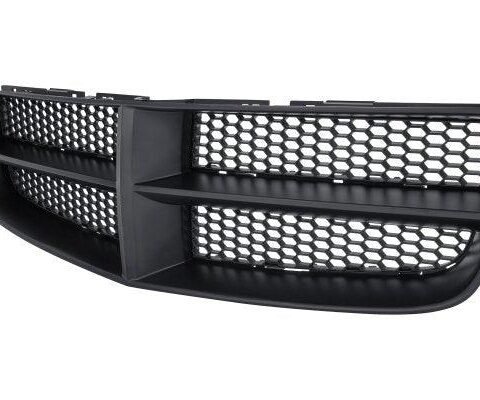
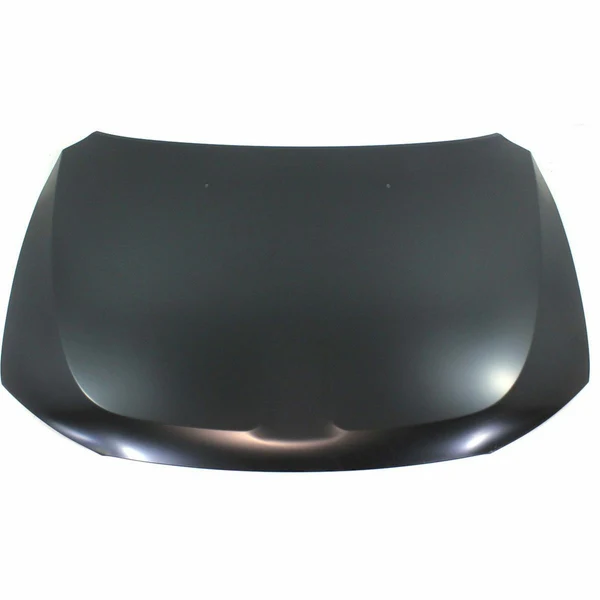
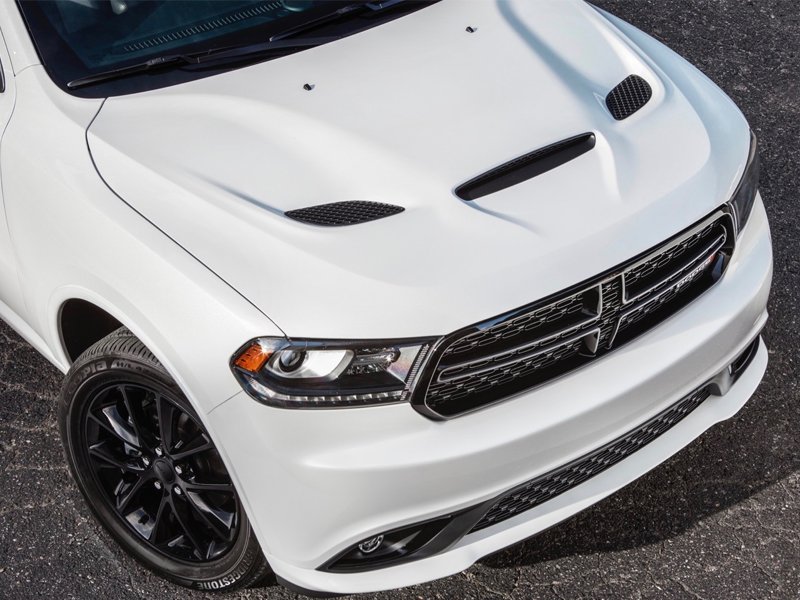
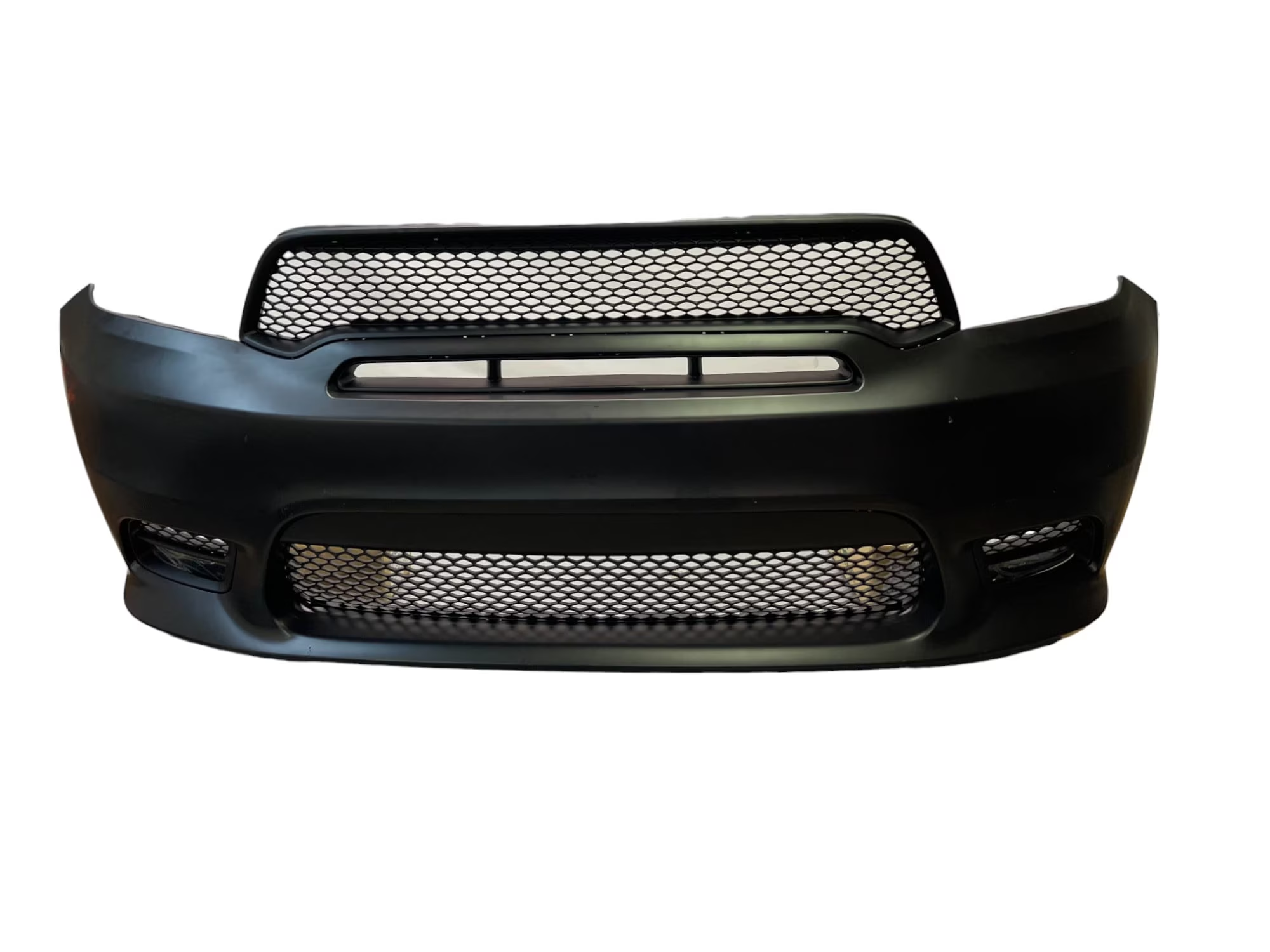
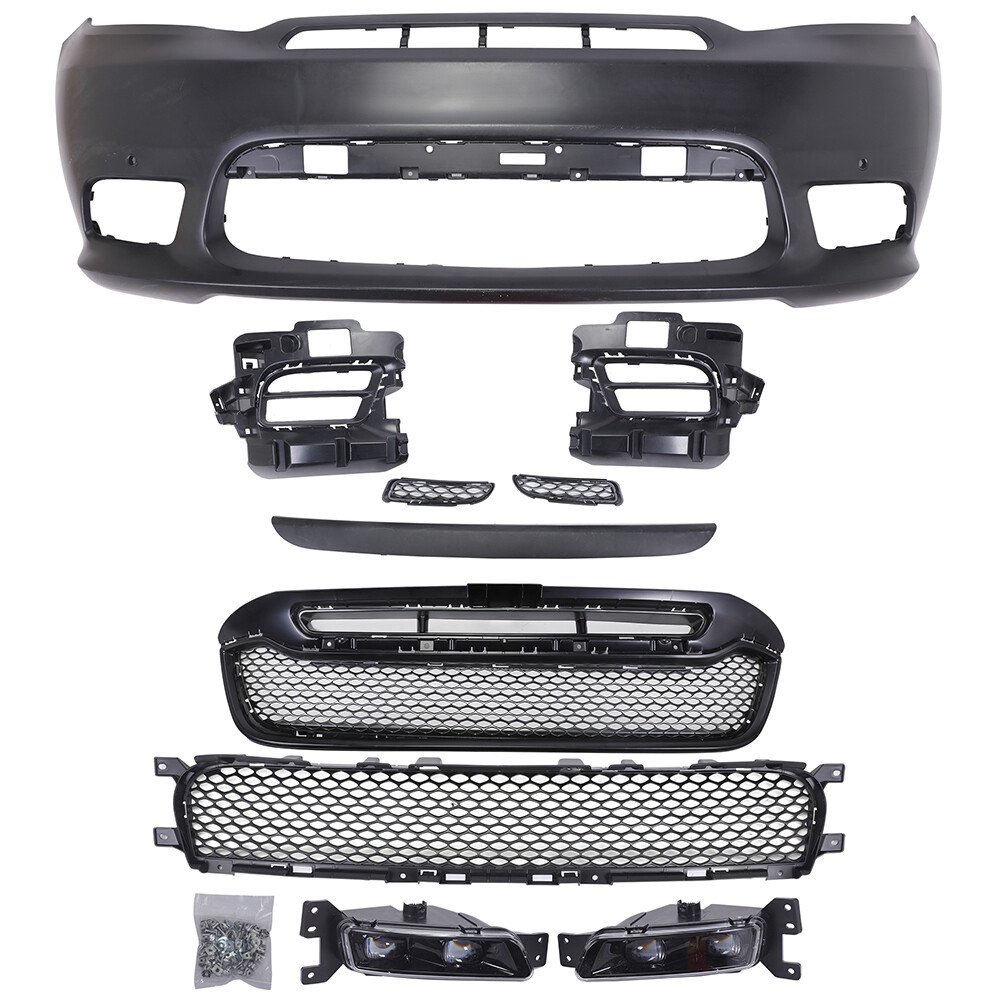
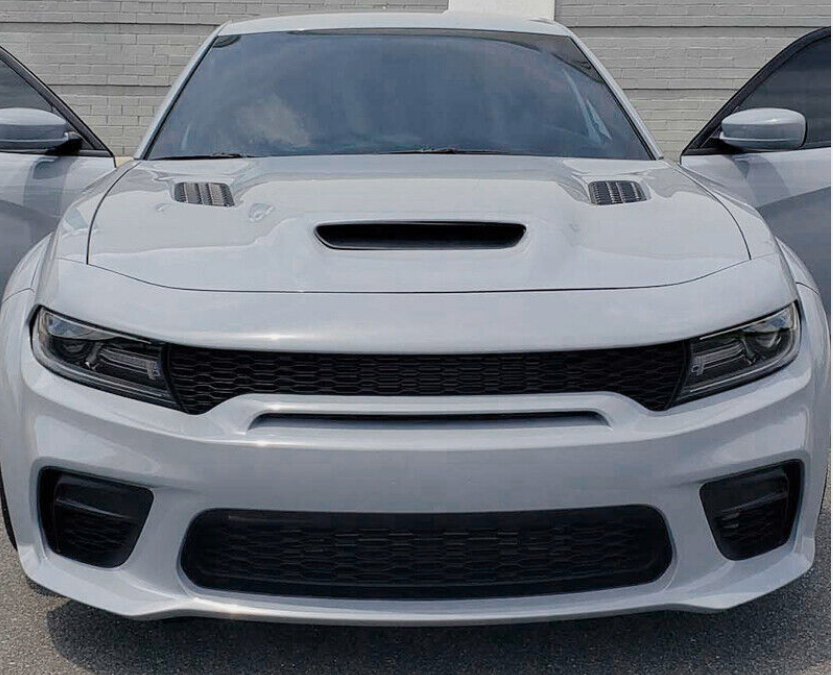
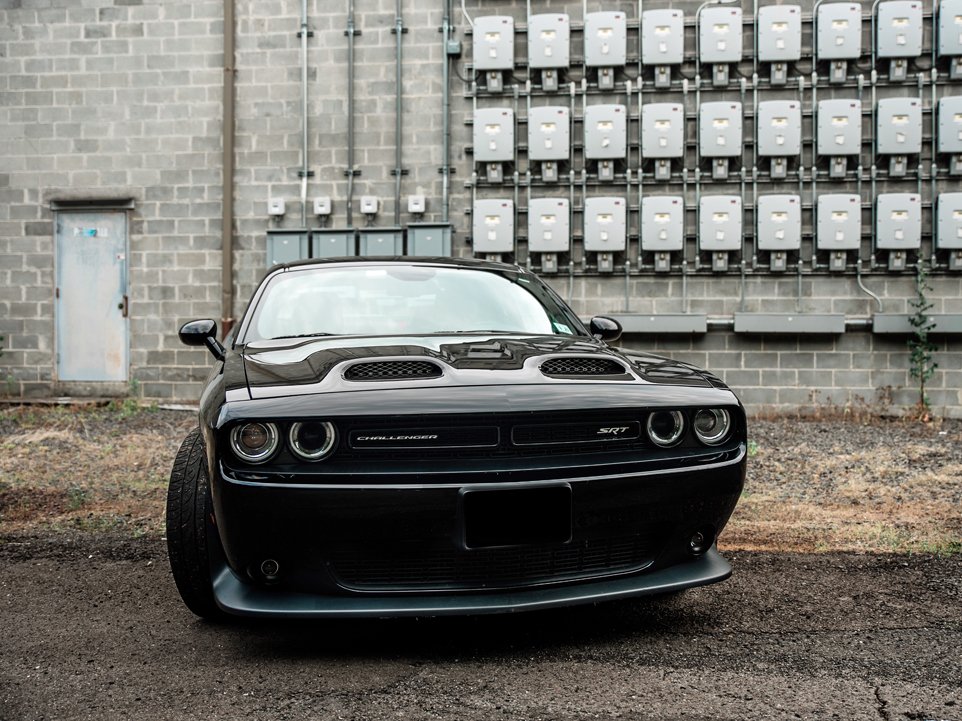
Dodge Durango Hood
$400.00
In stock
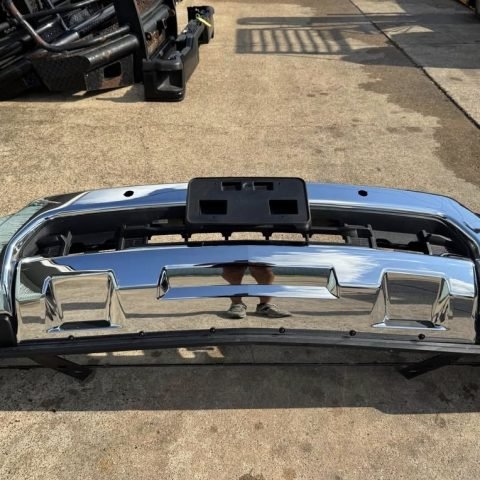
Dodge Durango Hood — condition as listed. Browse this body panels option with detailed fitment guidance, buyer checks and shipping questions. Confirm vehicle year, trim, VIN or part number before ordering. Current photos and exact included components should be verified before payment.
Dodge Durango Hood
Dodge Durango Hood is a body panels listing recovered from the GearHead Garage catalog. This expanded page is designed to help shoppers research fitment, condition, installation, shipping and value before buying. Because automotive fitment can vary by year, trim, drivetrain and production option, confirm compatibility with your VIN or factory part number whenever possible.
Product overview and buyer intent
When shoppers search for Dodge Durango Hood, they are usually trying to solve a specific repair, restoration or upgrade need rather than simply browsing a generic auto parts store. The listing is connected with Dodge Durango, while the broader use case includes exterior repair, collision restoration, widebody conversions, appearance upgrades and complete vehicle builds. The source listing recovered for this catalog entry states: “Dodge Durango hood available. Asking $400 including shipping.” The recovered listing does not provide a complete standardized condition grade, so buyers should request current close-up photos and confirmation of any wear before ordering.
From an SEO and buyer-research perspective, people may arrive on this page through searches such as buy dodge charger hood, buy dodge challenger hood, dodge charger hood delivery, dodge charger hood for sale, dodge charger hood supplier, but the goal is not to repeat keywords mechanically. The useful answer is to explain what the part is, what has to match, what should be inspected and what information a buyer should send before ordering. For hood, that means checking mounting points, tabs, brackets, sensor openings, grille or trim interfaces, paint condition, panel gaps and shipping damage. These checks help separate a visually similar part from a genuinely compatible one.
Compatibility should be confirmed with the vehicle year, make, model, trim, drivetrain and—when available—the VIN or factory part number. A listing title can describe the intended application, but production changes, option packages and mid-year revisions can affect connectors, brackets or dimensions. Buyers should compare the part shown or described with the component removed from their own vehicle. When the original part number is available, matching that number is normally stronger evidence than relying on appearance alone.
Planning installation before the purchase also protects the buyer from avoidable delays. A sensible installation workflow includes test-fitting the panel before paint, checking adjacent brackets and retainers, aligning gaps, transferring sensors or trim where required, and completing final fastener torque only after alignment is correct. If the job affects safety systems, steering, brakes, airbags, fuel, high-current electrical circuits or structural body components, professional installation may be appropriate. The product description is a buying guide, not a substitute for the factory service manual or a qualified technician.
A correctly matched exterior panel can save substantial body-shop preparation time and helps preserve factory-style alignment. Price should therefore be considered together with completeness, condition, compatibility and the amount of preparation needed before installation. A lower-priced component that needs missing brackets, damaged connectors, body repair or difficult-to-find hardware can cost more by the time the vehicle is road-ready. Conversely, a clean take-off or well-preserved used component may offer strong value when it matches the intended application and the buyer understands exactly what is included.
Before payment, ask for the current item status, the exact components included in the sale, close-up photos of mounting points and any known defects. If the part is being shipped, request packaging details and inspect the package immediately on arrival. Keep photos of the packaging and product condition before installation. These steps are especially useful for bulky body panels parts because transit damage can be different from pre-existing wear.
Why this part matters on the vehicle
Dodge Durango Hood sits in the body panels category and is best evaluated as a vehicle-specific component, not as a universal accessory. The listing is connected with Dodge Durango, while the broader use case includes exterior repair, collision restoration, widebody conversions, appearance upgrades and complete vehicle builds. The source listing recovered for this catalog entry states: “Dodge Durango hood available. Asking $400 including shipping.” The recovered listing does not provide a complete standardized condition grade, so buyers should request current close-up photos and confirmation of any wear before ordering.
From an SEO and buyer-research perspective, people may arrive on this page through searches such as dodge charger hood for sale, dodge charger hood supplier, dodge challenger hood delivery, dodge challenger hood for sale, dodge challenger hood supplier, but the goal is not to repeat keywords mechanically. The useful answer is to explain what the part is, what has to match, what should be inspected and what information a buyer should send before ordering. For hood, that means checking mounting points, tabs, brackets, sensor openings, grille or trim interfaces, paint condition, panel gaps and shipping damage. These checks help separate a visually similar part from a genuinely compatible one.
Compatibility should be confirmed with the vehicle year, make, model, trim, drivetrain and—when available—the VIN or factory part number. A listing title can describe the intended application, but production changes, option packages and mid-year revisions can affect connectors, brackets or dimensions. Buyers should compare the part shown or described with the component removed from their own vehicle. When the original part number is available, matching that number is normally stronger evidence than relying on appearance alone.
Planning installation before the purchase also protects the buyer from avoidable delays. A sensible installation workflow includes test-fitting the panel before paint, checking adjacent brackets and retainers, aligning gaps, transferring sensors or trim where required, and completing final fastener torque only after alignment is correct. If the job affects safety systems, steering, brakes, airbags, fuel, high-current electrical circuits or structural body components, professional installation may be appropriate. The product description is a buying guide, not a substitute for the factory service manual or a qualified technician.
A correctly matched exterior panel can save substantial body-shop preparation time and helps preserve factory-style alignment. Price should therefore be considered together with completeness, condition, compatibility and the amount of preparation needed before installation. A lower-priced component that needs missing brackets, damaged connectors, body repair or difficult-to-find hardware can cost more by the time the vehicle is road-ready. Conversely, a clean take-off or well-preserved used component may offer strong value when it matches the intended application and the buyer understands exactly what is included.
Before payment, ask for the current item status, the exact components included in the sale, close-up photos of mounting points and any known defects. If the part is being shipped, request packaging details and inspect the package immediately on arrival. Keep photos of the packaging and product condition before installation. These steps are especially useful for bulky body panels parts because transit damage can be different from pre-existing wear.
Fitment and compatibility verification
For buyers researching hood options for Dodge Durango, the most important step is matching the recovered listing details to the exact vehicle configuration. The listing is connected with Dodge Durango, while the broader use case includes exterior repair, collision restoration, widebody conversions, appearance upgrades and complete vehicle builds. The source listing recovered for this catalog entry states: “Dodge Durango hood available. Asking $400 including shipping.” The recovered listing does not provide a complete standardized condition grade, so buyers should request current close-up photos and confirmation of any wear before ordering.
From an SEO and buyer-research perspective, people may arrive on this page through searches such as dodge challenger hood for sale, dodge challenger hood supplier, dodge charger hood online store, new dodge charger hood for sale, oem dodge charger hood for sale, but the goal is not to repeat keywords mechanically. The useful answer is to explain what the part is, what has to match, what should be inspected and what information a buyer should send before ordering. For hood, that means checking mounting points, tabs, brackets, sensor openings, grille or trim interfaces, paint condition, panel gaps and shipping damage. These checks help separate a visually similar part from a genuinely compatible one.
Compatibility should be confirmed with the vehicle year, make, model, trim, drivetrain and—when available—the VIN or factory part number. A listing title can describe the intended application, but production changes, option packages and mid-year revisions can affect connectors, brackets or dimensions. Buyers should compare the part shown or described with the component removed from their own vehicle. When the original part number is available, matching that number is normally stronger evidence than relying on appearance alone.
Planning installation before the purchase also protects the buyer from avoidable delays. A sensible installation workflow includes test-fitting the panel before paint, checking adjacent brackets and retainers, aligning gaps, transferring sensors or trim where required, and completing final fastener torque only after alignment is correct. If the job affects safety systems, steering, brakes, airbags, fuel, high-current electrical circuits or structural body components, professional installation may be appropriate. The product description is a buying guide, not a substitute for the factory service manual or a qualified technician.
A correctly matched exterior panel can save substantial body-shop preparation time and helps preserve factory-style alignment. Price should therefore be considered together with completeness, condition, compatibility and the amount of preparation needed before installation. A lower-priced component that needs missing brackets, damaged connectors, body repair or difficult-to-find hardware can cost more by the time the vehicle is road-ready. Conversely, a clean take-off or well-preserved used component may offer strong value when it matches the intended application and the buyer understands exactly what is included.
Before payment, ask for the current item status, the exact components included in the sale, close-up photos of mounting points and any known defects. If the part is being shipped, request packaging details and inspect the package immediately on arrival. Keep photos of the packaging and product condition before installation. These steps are especially useful for bulky body panels parts because transit damage can be different from pre-existing wear.
Condition, inspection and what to look for
A useful product page for Dodge Durango Hood should answer fitment, condition, installation and value questions before a customer commits to shipping or installation. The listing is connected with Dodge Durango, while the broader use case includes exterior repair, collision restoration, widebody conversions, appearance upgrades and complete vehicle builds. The source listing recovered for this catalog entry states: “Dodge Durango hood available. Asking $400 including shipping.” The recovered listing does not provide a complete standardized condition grade, so buyers should request current close-up photos and confirmation of any wear before ordering.
From an SEO and buyer-research perspective, people may arrive on this page through searches such as new dodge charger hood for sale, oem dodge charger hood for sale, order dodge charger hood online, used dodge charger hood for sale, dodge charger hood shipping quote, but the goal is not to repeat keywords mechanically. The useful answer is to explain what the part is, what has to match, what should be inspected and what information a buyer should send before ordering. For hood, that means checking mounting points, tabs, brackets, sensor openings, grille or trim interfaces, paint condition, panel gaps and shipping damage. These checks help separate a visually similar part from a genuinely compatible one.
Compatibility should be confirmed with the vehicle year, make, model, trim, drivetrain and—when available—the VIN or factory part number. A listing title can describe the intended application, but production changes, option packages and mid-year revisions can affect connectors, brackets or dimensions. Buyers should compare the part shown or described with the component removed from their own vehicle. When the original part number is available, matching that number is normally stronger evidence than relying on appearance alone.
Planning installation before the purchase also protects the buyer from avoidable delays. A sensible installation workflow includes test-fitting the panel before paint, checking adjacent brackets and retainers, aligning gaps, transferring sensors or trim where required, and completing final fastener torque only after alignment is correct. If the job affects safety systems, steering, brakes, airbags, fuel, high-current electrical circuits or structural body components, professional installation may be appropriate. The product description is a buying guide, not a substitute for the factory service manual or a qualified technician.
A correctly matched exterior panel can save substantial body-shop preparation time and helps preserve factory-style alignment. Price should therefore be considered together with completeness, condition, compatibility and the amount of preparation needed before installation. A lower-priced component that needs missing brackets, damaged connectors, body repair or difficult-to-find hardware can cost more by the time the vehicle is road-ready. Conversely, a clean take-off or well-preserved used component may offer strong value when it matches the intended application and the buyer understands exactly what is included.
Before payment, ask for the current item status, the exact components included in the sale, close-up photos of mounting points and any known defects. If the part is being shipped, request packaging details and inspect the package immediately on arrival. Keep photos of the packaging and product condition before installation. These steps are especially useful for bulky body panels parts because transit damage can be different from pre-existing wear.
OEM, used and aftermarket comparison
When shoppers search for Dodge Durango Hood, they are usually trying to solve a specific repair, restoration or upgrade need rather than simply browsing a generic auto parts store. The listing is connected with Dodge Durango, while the broader use case includes exterior repair, collision restoration, widebody conversions, appearance upgrades and complete vehicle builds. The source listing recovered for this catalog entry states: “Dodge Durango hood available. Asking $400 including shipping.” The recovered listing does not provide a complete standardized condition grade, so buyers should request current close-up photos and confirmation of any wear before ordering.
From an SEO and buyer-research perspective, people may arrive on this page through searches such as used dodge charger hood for sale, dodge charger hood shipping quote, dodge challenger hood online store, new dodge challenger hood for sale, oem dodge challenger hood for sale, but the goal is not to repeat keywords mechanically. The useful answer is to explain what the part is, what has to match, what should be inspected and what information a buyer should send before ordering. For hood, that means checking mounting points, tabs, brackets, sensor openings, grille or trim interfaces, paint condition, panel gaps and shipping damage. These checks help separate a visually similar part from a genuinely compatible one.
Compatibility should be confirmed with the vehicle year, make, model, trim, drivetrain and—when available—the VIN or factory part number. A listing title can describe the intended application, but production changes, option packages and mid-year revisions can affect connectors, brackets or dimensions. Buyers should compare the part shown or described with the component removed from their own vehicle. When the original part number is available, matching that number is normally stronger evidence than relying on appearance alone.
Planning installation before the purchase also protects the buyer from avoidable delays. A sensible installation workflow includes test-fitting the panel before paint, checking adjacent brackets and retainers, aligning gaps, transferring sensors or trim where required, and completing final fastener torque only after alignment is correct. If the job affects safety systems, steering, brakes, airbags, fuel, high-current electrical circuits or structural body components, professional installation may be appropriate. The product description is a buying guide, not a substitute for the factory service manual or a qualified technician.
A correctly matched exterior panel can save substantial body-shop preparation time and helps preserve factory-style alignment. Price should therefore be considered together with completeness, condition, compatibility and the amount of preparation needed before installation. A lower-priced component that needs missing brackets, damaged connectors, body repair or difficult-to-find hardware can cost more by the time the vehicle is road-ready. Conversely, a clean take-off or well-preserved used component may offer strong value when it matches the intended application and the buyer understands exactly what is included.
Before payment, ask for the current item status, the exact components included in the sale, close-up photos of mounting points and any known defects. If the part is being shipped, request packaging details and inspect the package immediately on arrival. Keep photos of the packaging and product condition before installation. These steps are especially useful for bulky body panels parts because transit damage can be different from pre-existing wear.
Installation planning before you order
Dodge Durango Hood sits in the body panels category and is best evaluated as a vehicle-specific component, not as a universal accessory. The listing is connected with Dodge Durango, while the broader use case includes exterior repair, collision restoration, widebody conversions, appearance upgrades and complete vehicle builds. The source listing recovered for this catalog entry states: “Dodge Durango hood available. Asking $400 including shipping.” The recovered listing does not provide a complete standardized condition grade, so buyers should request current close-up photos and confirmation of any wear before ordering.
From an SEO and buyer-research perspective, people may arrive on this page through searches such as new dodge challenger hood for sale, oem dodge challenger hood for sale, order dodge challenger hood online, used dodge challenger hood for sale, dodge challenger hood shipping quote, but the goal is not to repeat keywords mechanically. The useful answer is to explain what the part is, what has to match, what should be inspected and what information a buyer should send before ordering. For hood, that means checking mounting points, tabs, brackets, sensor openings, grille or trim interfaces, paint condition, panel gaps and shipping damage. These checks help separate a visually similar part from a genuinely compatible one.
Compatibility should be confirmed with the vehicle year, make, model, trim, drivetrain and—when available—the VIN or factory part number. A listing title can describe the intended application, but production changes, option packages and mid-year revisions can affect connectors, brackets or dimensions. Buyers should compare the part shown or described with the component removed from their own vehicle. When the original part number is available, matching that number is normally stronger evidence than relying on appearance alone.
Planning installation before the purchase also protects the buyer from avoidable delays. A sensible installation workflow includes test-fitting the panel before paint, checking adjacent brackets and retainers, aligning gaps, transferring sensors or trim where required, and completing final fastener torque only after alignment is correct. If the job affects safety systems, steering, brakes, airbags, fuel, high-current electrical circuits or structural body components, professional installation may be appropriate. The product description is a buying guide, not a substitute for the factory service manual or a qualified technician.
A correctly matched exterior panel can save substantial body-shop preparation time and helps preserve factory-style alignment. Price should therefore be considered together with completeness, condition, compatibility and the amount of preparation needed before installation. A lower-priced component that needs missing brackets, damaged connectors, body repair or difficult-to-find hardware can cost more by the time the vehicle is road-ready. Conversely, a clean take-off or well-preserved used component may offer strong value when it matches the intended application and the buyer understands exactly what is included.
Before payment, ask for the current item status, the exact components included in the sale, close-up photos of mounting points and any known defects. If the part is being shipped, request packaging details and inspect the package immediately on arrival. Keep photos of the packaging and product condition before installation. These steps are especially useful for bulky body panels parts because transit damage can be different from pre-existing wear.
Supporting components to inspect at the same time
For buyers researching hood options for Dodge Durango, the most important step is matching the recovered listing details to the exact vehicle configuration. The listing is connected with Dodge Durango, while the broader use case includes exterior repair, collision restoration, widebody conversions, appearance upgrades and complete vehicle builds. The source listing recovered for this catalog entry states: “Dodge Durango hood available. Asking $400 including shipping.” The recovered listing does not provide a complete standardized condition grade, so buyers should request current close-up photos and confirmation of any wear before ordering.
From an SEO and buyer-research perspective, people may arrive on this page through searches such as used dodge challenger hood for sale, dodge challenger hood shipping quote, replacement dodge charger hood for sale, replacement dodge challenger hood for sale, where can i buy a dodge charger hood?, but the goal is not to repeat keywords mechanically. The useful answer is to explain what the part is, what has to match, what should be inspected and what information a buyer should send before ordering. For hood, that means checking mounting points, tabs, brackets, sensor openings, grille or trim interfaces, paint condition, panel gaps and shipping damage. These checks help separate a visually similar part from a genuinely compatible one.
Compatibility should be confirmed with the vehicle year, make, model, trim, drivetrain and—when available—the VIN or factory part number. A listing title can describe the intended application, but production changes, option packages and mid-year revisions can affect connectors, brackets or dimensions. Buyers should compare the part shown or described with the component removed from their own vehicle. When the original part number is available, matching that number is normally stronger evidence than relying on appearance alone.
Planning installation before the purchase also protects the buyer from avoidable delays. A sensible installation workflow includes test-fitting the panel before paint, checking adjacent brackets and retainers, aligning gaps, transferring sensors or trim where required, and completing final fastener torque only after alignment is correct. If the job affects safety systems, steering, brakes, airbags, fuel, high-current electrical circuits or structural body components, professional installation may be appropriate. The product description is a buying guide, not a substitute for the factory service manual or a qualified technician.
A correctly matched exterior panel can save substantial body-shop preparation time and helps preserve factory-style alignment. Price should therefore be considered together with completeness, condition, compatibility and the amount of preparation needed before installation. A lower-priced component that needs missing brackets, damaged connectors, body repair or difficult-to-find hardware can cost more by the time the vehicle is road-ready. Conversely, a clean take-off or well-preserved used component may offer strong value when it matches the intended application and the buyer understands exactly what is included.
Before payment, ask for the current item status, the exact components included in the sale, close-up photos of mounting points and any known defects. If the part is being shipped, request packaging details and inspect the package immediately on arrival. Keep photos of the packaging and product condition before installation. These steps are especially useful for bulky body panels parts because transit damage can be different from pre-existing wear.
Performance, appearance and real-world use
A useful product page for Dodge Durango Hood should answer fitment, condition, installation and value questions before a customer commits to shipping or installation. The listing is connected with Dodge Durango, while the broader use case includes exterior repair, collision restoration, widebody conversions, appearance upgrades and complete vehicle builds. The source listing recovered for this catalog entry states: “Dodge Durango hood available. Asking $400 including shipping.” The recovered listing does not provide a complete standardized condition grade, so buyers should request current close-up photos and confirmation of any wear before ordering.
From an SEO and buyer-research perspective, people may arrive on this page through searches such as replacement dodge challenger hood for sale, where can i buy a dodge charger hood?, can i order a dodge charger hood online?, how much does a dodge charger hood cost?, where can i buy a dodge challenger hood?, but the goal is not to repeat keywords mechanically. The useful answer is to explain what the part is, what has to match, what should be inspected and what information a buyer should send before ordering. For hood, that means checking mounting points, tabs, brackets, sensor openings, grille or trim interfaces, paint condition, panel gaps and shipping damage. These checks help separate a visually similar part from a genuinely compatible one.
Compatibility should be confirmed with the vehicle year, make, model, trim, drivetrain and—when available—the VIN or factory part number. A listing title can describe the intended application, but production changes, option packages and mid-year revisions can affect connectors, brackets or dimensions. Buyers should compare the part shown or described with the component removed from their own vehicle. When the original part number is available, matching that number is normally stronger evidence than relying on appearance alone.
Planning installation before the purchase also protects the buyer from avoidable delays. A sensible installation workflow includes test-fitting the panel before paint, checking adjacent brackets and retainers, aligning gaps, transferring sensors or trim where required, and completing final fastener torque only after alignment is correct. If the job affects safety systems, steering, brakes, airbags, fuel, high-current electrical circuits or structural body components, professional installation may be appropriate. The product description is a buying guide, not a substitute for the factory service manual or a qualified technician.
A correctly matched exterior panel can save substantial body-shop preparation time and helps preserve factory-style alignment. Price should therefore be considered together with completeness, condition, compatibility and the amount of preparation needed before installation. A lower-priced component that needs missing brackets, damaged connectors, body repair or difficult-to-find hardware can cost more by the time the vehicle is road-ready. Conversely, a clean take-off or well-preserved used component may offer strong value when it matches the intended application and the buyer understands exactly what is included.
Before payment, ask for the current item status, the exact components included in the sale, close-up photos of mounting points and any known defects. If the part is being shipped, request packaging details and inspect the package immediately on arrival. Keep photos of the packaging and product condition before installation. These steps are especially useful for bulky body panels parts because transit damage can be different from pre-existing wear.
Restoration and project-build considerations
When shoppers search for Dodge Durango Hood, they are usually trying to solve a specific repair, restoration or upgrade need rather than simply browsing a generic auto parts store. The listing is connected with Dodge Durango, while the broader use case includes exterior repair, collision restoration, widebody conversions, appearance upgrades and complete vehicle builds. The source listing recovered for this catalog entry states: “Dodge Durango hood available. Asking $400 including shipping.” The recovered listing does not provide a complete standardized condition grade, so buyers should request current close-up photos and confirmation of any wear before ordering.
From an SEO and buyer-research perspective, people may arrive on this page through searches such as how much does a dodge charger hood cost?, where can i buy a dodge challenger hood?, is an oem dodge charger hood worth buying?, can i order a dodge challenger hood online?, how do i inspect a used dodge charger hood?, but the goal is not to repeat keywords mechanically. The useful answer is to explain what the part is, what has to match, what should be inspected and what information a buyer should send before ordering. For hood, that means checking mounting points, tabs, brackets, sensor openings, grille or trim interfaces, paint condition, panel gaps and shipping damage. These checks help separate a visually similar part from a genuinely compatible one.
Compatibility should be confirmed with the vehicle year, make, model, trim, drivetrain and—when available—the VIN or factory part number. A listing title can describe the intended application, but production changes, option packages and mid-year revisions can affect connectors, brackets or dimensions. Buyers should compare the part shown or described with the component removed from their own vehicle. When the original part number is available, matching that number is normally stronger evidence than relying on appearance alone.
Planning installation before the purchase also protects the buyer from avoidable delays. A sensible installation workflow includes test-fitting the panel before paint, checking adjacent brackets and retainers, aligning gaps, transferring sensors or trim where required, and completing final fastener torque only after alignment is correct. If the job affects safety systems, steering, brakes, airbags, fuel, high-current electrical circuits or structural body components, professional installation may be appropriate. The product description is a buying guide, not a substitute for the factory service manual or a qualified technician.
A correctly matched exterior panel can save substantial body-shop preparation time and helps preserve factory-style alignment. Price should therefore be considered together with completeness, condition, compatibility and the amount of preparation needed before installation. A lower-priced component that needs missing brackets, damaged connectors, body repair or difficult-to-find hardware can cost more by the time the vehicle is road-ready. Conversely, a clean take-off or well-preserved used component may offer strong value when it matches the intended application and the buyer understands exactly what is included.
Before payment, ask for the current item status, the exact components included in the sale, close-up photos of mounting points and any known defects. If the part is being shipped, request packaging details and inspect the package immediately on arrival. Keep photos of the packaging and product condition before installation. These steps are especially useful for bulky body panels parts because transit damage can be different from pre-existing wear.
How to evaluate value instead of price alone
Dodge Durango Hood sits in the body panels category and is best evaluated as a vehicle-specific component, not as a universal accessory. The listing is connected with Dodge Durango, while the broader use case includes exterior repair, collision restoration, widebody conversions, appearance upgrades and complete vehicle builds. The source listing recovered for this catalog entry states: “Dodge Durango hood available. Asking $400 including shipping.” The recovered listing does not provide a complete standardized condition grade, so buyers should request current close-up photos and confirmation of any wear before ordering.
From an SEO and buyer-research perspective, people may arrive on this page through searches such as can i order a dodge challenger hood online?, how do i inspect a used dodge charger hood?, how much does a dodge challenger hood cost?, when should i replace my dodge charger hood?, is an oem dodge challenger hood worth buying?, but the goal is not to repeat keywords mechanically. The useful answer is to explain what the part is, what has to match, what should be inspected and what information a buyer should send before ordering. For hood, that means checking mounting points, tabs, brackets, sensor openings, grille or trim interfaces, paint condition, panel gaps and shipping damage. These checks help separate a visually similar part from a genuinely compatible one.
Compatibility should be confirmed with the vehicle year, make, model, trim, drivetrain and—when available—the VIN or factory part number. A listing title can describe the intended application, but production changes, option packages and mid-year revisions can affect connectors, brackets or dimensions. Buyers should compare the part shown or described with the component removed from their own vehicle. When the original part number is available, matching that number is normally stronger evidence than relying on appearance alone.
Planning installation before the purchase also protects the buyer from avoidable delays. A sensible installation workflow includes test-fitting the panel before paint, checking adjacent brackets and retainers, aligning gaps, transferring sensors or trim where required, and completing final fastener torque only after alignment is correct. If the job affects safety systems, steering, brakes, airbags, fuel, high-current electrical circuits or structural body components, professional installation may be appropriate. The product description is a buying guide, not a substitute for the factory service manual or a qualified technician.
A correctly matched exterior panel can save substantial body-shop preparation time and helps preserve factory-style alignment. Price should therefore be considered together with completeness, condition, compatibility and the amount of preparation needed before installation. A lower-priced component that needs missing brackets, damaged connectors, body repair or difficult-to-find hardware can cost more by the time the vehicle is road-ready. Conversely, a clean take-off or well-preserved used component may offer strong value when it matches the intended application and the buyer understands exactly what is included.
Before payment, ask for the current item status, the exact components included in the sale, close-up photos of mounting points and any known defects. If the part is being shipped, request packaging details and inspect the package immediately on arrival. Keep photos of the packaging and product condition before installation. These steps are especially useful for bulky body panels parts because transit damage can be different from pre-existing wear.
Online purchasing and documentation
For buyers researching hood options for Dodge Durango, the most important step is matching the recovered listing details to the exact vehicle configuration. The listing is connected with Dodge Durango, while the broader use case includes exterior repair, collision restoration, widebody conversions, appearance upgrades and complete vehicle builds. The source listing recovered for this catalog entry states: “Dodge Durango hood available. Asking $400 including shipping.” The recovered listing does not provide a complete standardized condition grade, so buyers should request current close-up photos and confirmation of any wear before ordering.
From an SEO and buyer-research perspective, people may arrive on this page through searches such as when should i replace my dodge charger hood?, is an oem dodge challenger hood worth buying?, how do i inspect a used dodge challenger hood?, should i buy a new or used dodge charger hood?, when should i replace my dodge challenger hood?, but the goal is not to repeat keywords mechanically. The useful answer is to explain what the part is, what has to match, what should be inspected and what information a buyer should send before ordering. For hood, that means checking mounting points, tabs, brackets, sensor openings, grille or trim interfaces, paint condition, panel gaps and shipping damage. These checks help separate a visually similar part from a genuinely compatible one.
Compatibility should be confirmed with the vehicle year, make, model, trim, drivetrain and—when available—the VIN or factory part number. A listing title can describe the intended application, but production changes, option packages and mid-year revisions can affect connectors, brackets or dimensions. Buyers should compare the part shown or described with the component removed from their own vehicle. When the original part number is available, matching that number is normally stronger evidence than relying on appearance alone.
Planning installation before the purchase also protects the buyer from avoidable delays. A sensible installation workflow includes test-fitting the panel before paint, checking adjacent brackets and retainers, aligning gaps, transferring sensors or trim where required, and completing final fastener torque only after alignment is correct. If the job affects safety systems, steering, brakes, airbags, fuel, high-current electrical circuits or structural body components, professional installation may be appropriate. The product description is a buying guide, not a substitute for the factory service manual or a qualified technician.
A correctly matched exterior panel can save substantial body-shop preparation time and helps preserve factory-style alignment. Price should therefore be considered together with completeness, condition, compatibility and the amount of preparation needed before installation. A lower-priced component that needs missing brackets, damaged connectors, body repair or difficult-to-find hardware can cost more by the time the vehicle is road-ready. Conversely, a clean take-off or well-preserved used component may offer strong value when it matches the intended application and the buyer understands exactly what is included.
Before payment, ask for the current item status, the exact components included in the sale, close-up photos of mounting points and any known defects. If the part is being shipped, request packaging details and inspect the package immediately on arrival. Keep photos of the packaging and product condition before installation. These steps are especially useful for bulky body panels parts because transit damage can be different from pre-existing wear.
Shipping, packaging and receiving inspection
A useful product page for Dodge Durango Hood should answer fitment, condition, installation and value questions before a customer commits to shipping or installation. The listing is connected with Dodge Durango, while the broader use case includes exterior repair, collision restoration, widebody conversions, appearance upgrades and complete vehicle builds. The source listing recovered for this catalog entry states: “Dodge Durango hood available. Asking $400 including shipping.” The recovered listing does not provide a complete standardized condition grade, so buyers should request current close-up photos and confirmation of any wear before ordering.
From an SEO and buyer-research perspective, people may arrive on this page through searches such as should i buy a new or used dodge charger hood?, when should i replace my dodge challenger hood?, how do i check a dodge charger hood part number?, how much does shipping a dodge charger hood cost?, should i buy a new or used dodge challenger hood?, but the goal is not to repeat keywords mechanically. The useful answer is to explain what the part is, what has to match, what should be inspected and what information a buyer should send before ordering. For hood, that means checking mounting points, tabs, brackets, sensor openings, grille or trim interfaces, paint condition, panel gaps and shipping damage. These checks help separate a visually similar part from a genuinely compatible one.
Compatibility should be confirmed with the vehicle year, make, model, trim, drivetrain and—when available—the VIN or factory part number. A listing title can describe the intended application, but production changes, option packages and mid-year revisions can affect connectors, brackets or dimensions. Buyers should compare the part shown or described with the component removed from their own vehicle. When the original part number is available, matching that number is normally stronger evidence than relying on appearance alone.
Planning installation before the purchase also protects the buyer from avoidable delays. A sensible installation workflow includes test-fitting the panel before paint, checking adjacent brackets and retainers, aligning gaps, transferring sensors or trim where required, and completing final fastener torque only after alignment is correct. If the job affects safety systems, steering, brakes, airbags, fuel, high-current electrical circuits or structural body components, professional installation may be appropriate. The product description is a buying guide, not a substitute for the factory service manual or a qualified technician.
A correctly matched exterior panel can save substantial body-shop preparation time and helps preserve factory-style alignment. Price should therefore be considered together with completeness, condition, compatibility and the amount of preparation needed before installation. A lower-priced component that needs missing brackets, damaged connectors, body repair or difficult-to-find hardware can cost more by the time the vehicle is road-ready. Conversely, a clean take-off or well-preserved used component may offer strong value when it matches the intended application and the buyer understands exactly what is included.
Before payment, ask for the current item status, the exact components included in the sale, close-up photos of mounting points and any known defects. If the part is being shipped, request packaging details and inspect the package immediately on arrival. Keep photos of the packaging and product condition before installation. These steps are especially useful for bulky body panels parts because transit damage can be different from pre-existing wear.
Part numbers, VIN checks and trim differences
When shoppers search for Dodge Durango Hood, they are usually trying to solve a specific repair, restoration or upgrade need rather than simply browsing a generic auto parts store. The listing is connected with Dodge Durango, while the broader use case includes exterior repair, collision restoration, widebody conversions, appearance upgrades and complete vehicle builds. The source listing recovered for this catalog entry states: “Dodge Durango hood available. Asking $400 including shipping.” The recovered listing does not provide a complete standardized condition grade, so buyers should request current close-up photos and confirmation of any wear before ordering.
From an SEO and buyer-research perspective, people may arrive on this page through searches such as how much does shipping a dodge charger hood cost?, should i buy a new or used dodge challenger hood?, how do i confirm dodge charger hood compatibility?, how do i check a dodge challenger hood part number?, what are the signs of a damaged dodge charger hood?, but the goal is not to repeat keywords mechanically. The useful answer is to explain what the part is, what has to match, what should be inspected and what information a buyer should send before ordering. For hood, that means checking mounting points, tabs, brackets, sensor openings, grille or trim interfaces, paint condition, panel gaps and shipping damage. These checks help separate a visually similar part from a genuinely compatible one.
Compatibility should be confirmed with the vehicle year, make, model, trim, drivetrain and—when available—the VIN or factory part number. A listing title can describe the intended application, but production changes, option packages and mid-year revisions can affect connectors, brackets or dimensions. Buyers should compare the part shown or described with the component removed from their own vehicle. When the original part number is available, matching that number is normally stronger evidence than relying on appearance alone.
Planning installation before the purchase also protects the buyer from avoidable delays. A sensible installation workflow includes test-fitting the panel before paint, checking adjacent brackets and retainers, aligning gaps, transferring sensors or trim where required, and completing final fastener torque only after alignment is correct. If the job affects safety systems, steering, brakes, airbags, fuel, high-current electrical circuits or structural body components, professional installation may be appropriate. The product description is a buying guide, not a substitute for the factory service manual or a qualified technician.
A correctly matched exterior panel can save substantial body-shop preparation time and helps preserve factory-style alignment. Price should therefore be considered together with completeness, condition, compatibility and the amount of preparation needed before installation. A lower-priced component that needs missing brackets, damaged connectors, body repair or difficult-to-find hardware can cost more by the time the vehicle is road-ready. Conversely, a clean take-off or well-preserved used component may offer strong value when it matches the intended application and the buyer understands exactly what is included.
Before payment, ask for the current item status, the exact components included in the sale, close-up photos of mounting points and any known defects. If the part is being shipped, request packaging details and inspect the package immediately on arrival. Keep photos of the packaging and product condition before installation. These steps are especially useful for bulky body panels parts because transit damage can be different from pre-existing wear.
Common buying mistakes to avoid
Dodge Durango Hood sits in the body panels category and is best evaluated as a vehicle-specific component, not as a universal accessory. The listing is connected with Dodge Durango, while the broader use case includes exterior repair, collision restoration, widebody conversions, appearance upgrades and complete vehicle builds. The source listing recovered for this catalog entry states: “Dodge Durango hood available. Asking $400 including shipping.” The recovered listing does not provide a complete standardized condition grade, so buyers should request current close-up photos and confirmation of any wear before ordering.
From an SEO and buyer-research perspective, people may arrive on this page through searches such as how do i check a dodge challenger hood part number?, what are the signs of a damaged dodge charger hood?, how much does shipping a dodge challenger hood cost?, how do i confirm dodge challenger hood compatibility?, what are the signs of a damaged dodge challenger hood?, but the goal is not to repeat keywords mechanically. The useful answer is to explain what the part is, what has to match, what should be inspected and what information a buyer should send before ordering. For hood, that means checking mounting points, tabs, brackets, sensor openings, grille or trim interfaces, paint condition, panel gaps and shipping damage. These checks help separate a visually similar part from a genuinely compatible one.
Compatibility should be confirmed with the vehicle year, make, model, trim, drivetrain and—when available—the VIN or factory part number. A listing title can describe the intended application, but production changes, option packages and mid-year revisions can affect connectors, brackets or dimensions. Buyers should compare the part shown or described with the component removed from their own vehicle. When the original part number is available, matching that number is normally stronger evidence than relying on appearance alone.
Planning installation before the purchase also protects the buyer from avoidable delays. A sensible installation workflow includes test-fitting the panel before paint, checking adjacent brackets and retainers, aligning gaps, transferring sensors or trim where required, and completing final fastener torque only after alignment is correct. If the job affects safety systems, steering, brakes, airbags, fuel, high-current electrical circuits or structural body components, professional installation may be appropriate. The product description is a buying guide, not a substitute for the factory service manual or a qualified technician.
A correctly matched exterior panel can save substantial body-shop preparation time and helps preserve factory-style alignment. Price should therefore be considered together with completeness, condition, compatibility and the amount of preparation needed before installation. A lower-priced component that needs missing brackets, damaged connectors, body repair or difficult-to-find hardware can cost more by the time the vehicle is road-ready. Conversely, a clean take-off or well-preserved used component may offer strong value when it matches the intended application and the buyer understands exactly what is included.
Before payment, ask for the current item status, the exact components included in the sale, close-up photos of mounting points and any known defects. If the part is being shipped, request packaging details and inspect the package immediately on arrival. Keep photos of the packaging and product condition before installation. These steps are especially useful for bulky body panels parts because transit damage can be different from pre-existing wear.
Maintenance and long-term ownership
For buyers researching hood options for Dodge Durango, the most important step is matching the recovered listing details to the exact vehicle configuration. The listing is connected with Dodge Durango, while the broader use case includes exterior repair, collision restoration, widebody conversions, appearance upgrades and complete vehicle builds. The source listing recovered for this catalog entry states: “Dodge Durango hood available. Asking $400 including shipping.” The recovered listing does not provide a complete standardized condition grade, so buyers should request current close-up photos and confirmation of any wear before ordering.
From an SEO and buyer-research perspective, people may arrive on this page through searches such as how do i confirm dodge challenger hood compatibility?, what are the signs of a damaged dodge challenger hood?, how do i find the right dodge charger hood for my vehicle?, what should i check before buying a used dodge charger hood?, how do i find the right dodge challenger hood for my vehicle?, but the goal is not to repeat keywords mechanically. The useful answer is to explain what the part is, what has to match, what should be inspected and what information a buyer should send before ordering. For hood, that means checking mounting points, tabs, brackets, sensor openings, grille or trim interfaces, paint condition, panel gaps and shipping damage. These checks help separate a visually similar part from a genuinely compatible one.
Compatibility should be confirmed with the vehicle year, make, model, trim, drivetrain and—when available—the VIN or factory part number. A listing title can describe the intended application, but production changes, option packages and mid-year revisions can affect connectors, brackets or dimensions. Buyers should compare the part shown or described with the component removed from their own vehicle. When the original part number is available, matching that number is normally stronger evidence than relying on appearance alone.
Planning installation before the purchase also protects the buyer from avoidable delays. A sensible installation workflow includes test-fitting the panel before paint, checking adjacent brackets and retainers, aligning gaps, transferring sensors or trim where required, and completing final fastener torque only after alignment is correct. If the job affects safety systems, steering, brakes, airbags, fuel, high-current electrical circuits or structural body components, professional installation may be appropriate. The product description is a buying guide, not a substitute for the factory service manual or a qualified technician.
A correctly matched exterior panel can save substantial body-shop preparation time and helps preserve factory-style alignment. Price should therefore be considered together with completeness, condition, compatibility and the amount of preparation needed before installation. A lower-priced component that needs missing brackets, damaged connectors, body repair or difficult-to-find hardware can cost more by the time the vehicle is road-ready. Conversely, a clean take-off or well-preserved used component may offer strong value when it matches the intended application and the buyer understands exactly what is included.
Before payment, ask for the current item status, the exact components included in the sale, close-up photos of mounting points and any known defects. If the part is being shipped, request packaging details and inspect the package immediately on arrival. Keep photos of the packaging and product condition before installation. These steps are especially useful for bulky body panels parts because transit damage can be different from pre-existing wear.
When replacement makes sense
A useful product page for Dodge Durango Hood should answer fitment, condition, installation and value questions before a customer commits to shipping or installation. The listing is connected with Dodge Durango, while the broader use case includes exterior repair, collision restoration, widebody conversions, appearance upgrades and complete vehicle builds. The source listing recovered for this catalog entry states: “Dodge Durango hood available. Asking $400 including shipping.” The recovered listing does not provide a complete standardized condition grade, so buyers should request current close-up photos and confirmation of any wear before ordering.
From an SEO and buyer-research perspective, people may arrive on this page through searches such as what should i check before buying a used dodge charger hood?, how do i find the right dodge challenger hood for my vehicle?, what information is needed to get a dodge charger hood quote?, does a replacement dodge charger hood need additional hardware?, what should i check before buying a used dodge challenger hood?, but the goal is not to repeat keywords mechanically. The useful answer is to explain what the part is, what has to match, what should be inspected and what information a buyer should send before ordering. For hood, that means checking mounting points, tabs, brackets, sensor openings, grille or trim interfaces, paint condition, panel gaps and shipping damage. These checks help separate a visually similar part from a genuinely compatible one.
Compatibility should be confirmed with the vehicle year, make, model, trim, drivetrain and—when available—the VIN or factory part number. A listing title can describe the intended application, but production changes, option packages and mid-year revisions can affect connectors, brackets or dimensions. Buyers should compare the part shown or described with the component removed from their own vehicle. When the original part number is available, matching that number is normally stronger evidence than relying on appearance alone.
Planning installation before the purchase also protects the buyer from avoidable delays. A sensible installation workflow includes test-fitting the panel before paint, checking adjacent brackets and retainers, aligning gaps, transferring sensors or trim where required, and completing final fastener torque only after alignment is correct. If the job affects safety systems, steering, brakes, airbags, fuel, high-current electrical circuits or structural body components, professional installation may be appropriate. The product description is a buying guide, not a substitute for the factory service manual or a qualified technician.
A correctly matched exterior panel can save substantial body-shop preparation time and helps preserve factory-style alignment. Price should therefore be considered together with completeness, condition, compatibility and the amount of preparation needed before installation. A lower-priced component that needs missing brackets, damaged connectors, body repair or difficult-to-find hardware can cost more by the time the vehicle is road-ready. Conversely, a clean take-off or well-preserved used component may offer strong value when it matches the intended application and the buyer understands exactly what is included.
Before payment, ask for the current item status, the exact components included in the sale, close-up photos of mounting points and any known defects. If the part is being shipped, request packaging details and inspect the package immediately on arrival. Keep photos of the packaging and product condition before installation. These steps are especially useful for bulky body panels parts because transit damage can be different from pre-existing wear.
How enthusiasts compare similar listings
When shoppers search for Dodge Durango Hood, they are usually trying to solve a specific repair, restoration or upgrade need rather than simply browsing a generic auto parts store. The listing is connected with Dodge Durango, while the broader use case includes exterior repair, collision restoration, widebody conversions, appearance upgrades and complete vehicle builds. The source listing recovered for this catalog entry states: “Dodge Durango hood available. Asking $400 including shipping.” The recovered listing does not provide a complete standardized condition grade, so buyers should request current close-up photos and confirmation of any wear before ordering.
From an SEO and buyer-research perspective, people may arrive on this page through searches such as does a replacement dodge charger hood need additional hardware?, what should i check before buying a used dodge challenger hood?, what information is needed to get a dodge challenger hood quote?, what photos should i request before buying a dodge charger hood?, does a replacement dodge challenger hood need additional hardware?, but the goal is not to repeat keywords mechanically. The useful answer is to explain what the part is, what has to match, what should be inspected and what information a buyer should send before ordering. For hood, that means checking mounting points, tabs, brackets, sensor openings, grille or trim interfaces, paint condition, panel gaps and shipping damage. These checks help separate a visually similar part from a genuinely compatible one.
Compatibility should be confirmed with the vehicle year, make, model, trim, drivetrain and—when available—the VIN or factory part number. A listing title can describe the intended application, but production changes, option packages and mid-year revisions can affect connectors, brackets or dimensions. Buyers should compare the part shown or described with the component removed from their own vehicle. When the original part number is available, matching that number is normally stronger evidence than relying on appearance alone.
Planning installation before the purchase also protects the buyer from avoidable delays. A sensible installation workflow includes test-fitting the panel before paint, checking adjacent brackets and retainers, aligning gaps, transferring sensors or trim where required, and completing final fastener torque only after alignment is correct. If the job affects safety systems, steering, brakes, airbags, fuel, high-current electrical circuits or structural body components, professional installation may be appropriate. The product description is a buying guide, not a substitute for the factory service manual or a qualified technician.
A correctly matched exterior panel can save substantial body-shop preparation time and helps preserve factory-style alignment. Price should therefore be considered together with completeness, condition, compatibility and the amount of preparation needed before installation. A lower-priced component that needs missing brackets, damaged connectors, body repair or difficult-to-find hardware can cost more by the time the vehicle is road-ready. Conversely, a clean take-off or well-preserved used component may offer strong value when it matches the intended application and the buyer understands exactly what is included.
Before payment, ask for the current item status, the exact components included in the sale, close-up photos of mounting points and any known defects. If the part is being shipped, request packaging details and inspect the package immediately on arrival. Keep photos of the packaging and product condition before installation. These steps are especially useful for bulky body panels parts because transit damage can be different from pre-existing wear.
Questions to ask before payment
Dodge Durango Hood sits in the body panels category and is best evaluated as a vehicle-specific component, not as a universal accessory. The listing is connected with Dodge Durango, while the broader use case includes exterior repair, collision restoration, widebody conversions, appearance upgrades and complete vehicle builds. The source listing recovered for this catalog entry states: “Dodge Durango hood available. Asking $400 including shipping.” The recovered listing does not provide a complete standardized condition grade, so buyers should request current close-up photos and confirmation of any wear before ordering.
From an SEO and buyer-research perspective, people may arrive on this page through searches such as what photos should i request before buying a dodge charger hood?, does a replacement dodge challenger hood need additional hardware?, what photos should i request before buying a dodge challenger hood?, dodge charger hood price, buy dodge charger hood, but the goal is not to repeat keywords mechanically. The useful answer is to explain what the part is, what has to match, what should be inspected and what information a buyer should send before ordering. For hood, that means checking mounting points, tabs, brackets, sensor openings, grille or trim interfaces, paint condition, panel gaps and shipping damage. These checks help separate a visually similar part from a genuinely compatible one.
Compatibility should be confirmed with the vehicle year, make, model, trim, drivetrain and—when available—the VIN or factory part number. A listing title can describe the intended application, but production changes, option packages and mid-year revisions can affect connectors, brackets or dimensions. Buyers should compare the part shown or described with the component removed from their own vehicle. When the original part number is available, matching that number is normally stronger evidence than relying on appearance alone.
Planning installation before the purchase also protects the buyer from avoidable delays. A sensible installation workflow includes test-fitting the panel before paint, checking adjacent brackets and retainers, aligning gaps, transferring sensors or trim where required, and completing final fastener torque only after alignment is correct. If the job affects safety systems, steering, brakes, airbags, fuel, high-current electrical circuits or structural body components, professional installation may be appropriate. The product description is a buying guide, not a substitute for the factory service manual or a qualified technician.
A correctly matched exterior panel can save substantial body-shop preparation time and helps preserve factory-style alignment. Price should therefore be considered together with completeness, condition, compatibility and the amount of preparation needed before installation. A lower-priced component that needs missing brackets, damaged connectors, body repair or difficult-to-find hardware can cost more by the time the vehicle is road-ready. Conversely, a clean take-off or well-preserved used component may offer strong value when it matches the intended application and the buyer understands exactly what is included.
Before payment, ask for the current item status, the exact components included in the sale, close-up photos of mounting points and any known defects. If the part is being shipped, request packaging details and inspect the package immediately on arrival. Keep photos of the packaging and product condition before installation. These steps are especially useful for bulky body panels parts because transit damage can be different from pre-existing wear.
Search terms buyers use for this type of part
For buyers researching hood options for Dodge Durango, the most important step is matching the recovered listing details to the exact vehicle configuration. The listing is connected with Dodge Durango, while the broader use case includes exterior repair, collision restoration, widebody conversions, appearance upgrades and complete vehicle builds. The source listing recovered for this catalog entry states: “Dodge Durango hood available. Asking $400 including shipping.” The recovered listing does not provide a complete standardized condition grade, so buyers should request current close-up photos and confirmation of any wear before ordering.
From an SEO and buyer-research perspective, people may arrive on this page through searches such as dodge charger hood price, buy dodge charger hood, buy dodge challenger hood, dodge charger hood delivery, dodge charger hood for sale, but the goal is not to repeat keywords mechanically. The useful answer is to explain what the part is, what has to match, what should be inspected and what information a buyer should send before ordering. For hood, that means checking mounting points, tabs, brackets, sensor openings, grille or trim interfaces, paint condition, panel gaps and shipping damage. These checks help separate a visually similar part from a genuinely compatible one.
Compatibility should be confirmed with the vehicle year, make, model, trim, drivetrain and—when available—the VIN or factory part number. A listing title can describe the intended application, but production changes, option packages and mid-year revisions can affect connectors, brackets or dimensions. Buyers should compare the part shown or described with the component removed from their own vehicle. When the original part number is available, matching that number is normally stronger evidence than relying on appearance alone.
Planning installation before the purchase also protects the buyer from avoidable delays. A sensible installation workflow includes test-fitting the panel before paint, checking adjacent brackets and retainers, aligning gaps, transferring sensors or trim where required, and completing final fastener torque only after alignment is correct. If the job affects safety systems, steering, brakes, airbags, fuel, high-current electrical circuits or structural body components, professional installation may be appropriate. The product description is a buying guide, not a substitute for the factory service manual or a qualified technician.
A correctly matched exterior panel can save substantial body-shop preparation time and helps preserve factory-style alignment. Price should therefore be considered together with completeness, condition, compatibility and the amount of preparation needed before installation. A lower-priced component that needs missing brackets, damaged connectors, body repair or difficult-to-find hardware can cost more by the time the vehicle is road-ready. Conversely, a clean take-off or well-preserved used component may offer strong value when it matches the intended application and the buyer understands exactly what is included.
Before payment, ask for the current item status, the exact components included in the sale, close-up photos of mounting points and any known defects. If the part is being shipped, request packaging details and inspect the package immediately on arrival. Keep photos of the packaging and product condition before installation. These steps are especially useful for bulky body panels parts because transit damage can be different from pre-existing wear.
Final purchase checklist
A useful product page for Dodge Durango Hood should answer fitment, condition, installation and value questions before a customer commits to shipping or installation. The listing is connected with Dodge Durango, while the broader use case includes exterior repair, collision restoration, widebody conversions, appearance upgrades and complete vehicle builds. The source listing recovered for this catalog entry states: “Dodge Durango hood available. Asking $400 including shipping.” The recovered listing does not provide a complete standardized condition grade, so buyers should request current close-up photos and confirmation of any wear before ordering.
From an SEO and buyer-research perspective, people may arrive on this page through searches such as dodge charger hood delivery, dodge charger hood for sale, dodge charger hood supplier, dodge challenger hood delivery, dodge challenger hood for sale, but the goal is not to repeat keywords mechanically. The useful answer is to explain what the part is, what has to match, what should be inspected and what information a buyer should send before ordering. For hood, that means checking mounting points, tabs, brackets, sensor openings, grille or trim interfaces, paint condition, panel gaps and shipping damage. These checks help separate a visually similar part from a genuinely compatible one.
Compatibility should be confirmed with the vehicle year, make, model, trim, drivetrain and—when available—the VIN or factory part number. A listing title can describe the intended application, but production changes, option packages and mid-year revisions can affect connectors, brackets or dimensions. Buyers should compare the part shown or described with the component removed from their own vehicle. When the original part number is available, matching that number is normally stronger evidence than relying on appearance alone.
Planning installation before the purchase also protects the buyer from avoidable delays. A sensible installation workflow includes test-fitting the panel before paint, checking adjacent brackets and retainers, aligning gaps, transferring sensors or trim where required, and completing final fastener torque only after alignment is correct. If the job affects safety systems, steering, brakes, airbags, fuel, high-current electrical circuits or structural body components, professional installation may be appropriate. The product description is a buying guide, not a substitute for the factory service manual or a qualified technician.
A correctly matched exterior panel can save substantial body-shop preparation time and helps preserve factory-style alignment. Price should therefore be considered together with completeness, condition, compatibility and the amount of preparation needed before installation. A lower-priced component that needs missing brackets, damaged connectors, body repair or difficult-to-find hardware can cost more by the time the vehicle is road-ready. Conversely, a clean take-off or well-preserved used component may offer strong value when it matches the intended application and the buyer understands exactly what is included.
Before payment, ask for the current item status, the exact components included in the sale, close-up photos of mounting points and any known defects. If the part is being shipped, request packaging details and inspect the package immediately on arrival. Keep photos of the packaging and product condition before installation. These steps are especially useful for bulky body panels parts because transit damage can be different from pre-existing wear.
Frequently Asked Questions
where can i buy a dodge charger hood?
For Dodge Durango Hood, start with fitment and condition rather than the keyword alone. Confirm the exact vehicle application, compare identifying marks, review current photos and ask what is included. The recovered listing is useful background, but a current pre-purchase confirmation is the safest basis for ordering.
can i order a dodge charger hood online?
For Dodge Durango Hood, start with fitment and condition rather than the keyword alone. Confirm the exact vehicle application, compare identifying marks, review current photos and ask what is included. The recovered listing is useful background, but a current pre-purchase confirmation is the safest basis for ordering.
how much does a dodge charger hood cost?
For Dodge Durango Hood, start with fitment and condition rather than the keyword alone. Confirm the exact vehicle application, compare identifying marks, review current photos and ask what is included. The recovered listing is useful background, but a current pre-purchase confirmation is the safest basis for ordering.
where can i buy a dodge challenger hood?
For Dodge Durango Hood, start with fitment and condition rather than the keyword alone. Confirm the exact vehicle application, compare identifying marks, review current photos and ask what is included. The recovered listing is useful background, but a current pre-purchase confirmation is the safest basis for ordering.
is an oem dodge charger hood worth buying?
Use the recovered listing and visible manufacturer markings to determine origin. If OEM status is not explicitly documented, treat it as unverified until a casting number, label or part number confirms it. OEM and aftermarket versions can both be useful, but dimensions, materials, sensor provisions and finish may differ.
can i order a dodge challenger hood online?
For Dodge Durango Hood, start with fitment and condition rather than the keyword alone. Confirm the exact vehicle application, compare identifying marks, review current photos and ask what is included. The recovered listing is useful background, but a current pre-purchase confirmation is the safest basis for ordering.
how do i inspect a used dodge charger hood?
Inspect mounting points, tabs, brackets, sensor openings, grille or trim interfaces, paint condition, panel gaps and shipping damage. Ask for close-up photos in good lighting and request disclosure of cracks, repairs, stripped threads, broken tabs, corrosion or missing hardware. Current photos are more important than an older listing description.
how much does a dodge challenger hood cost?
For Dodge Durango Hood, start with fitment and condition rather than the keyword alone. Confirm the exact vehicle application, compare identifying marks, review current photos and ask what is included. The recovered listing is useful background, but a current pre-purchase confirmation is the safest basis for ordering.
when should i replace my dodge charger hood?
For Dodge Durango Hood, start with fitment and condition rather than the keyword alone. Confirm the exact vehicle application, compare identifying marks, review current photos and ask what is included. The recovered listing is useful background, but a current pre-purchase confirmation is the safest basis for ordering.
is an oem dodge challenger hood worth buying?
Use the recovered listing and visible manufacturer markings to determine origin. If OEM status is not explicitly documented, treat it as unverified until a casting number, label or part number confirms it. OEM and aftermarket versions can both be useful, but dimensions, materials, sensor provisions and finish may differ.
how do i inspect a used dodge challenger hood?
Inspect mounting points, tabs, brackets, sensor openings, grille or trim interfaces, paint condition, panel gaps and shipping damage. Ask for close-up photos in good lighting and request disclosure of cracks, repairs, stripped threads, broken tabs, corrosion or missing hardware. Current photos are more important than an older listing description.
should i buy a new or used dodge charger hood?
For Dodge Durango Hood, start with fitment and condition rather than the keyword alone. Confirm the exact vehicle application, compare identifying marks, review current photos and ask what is included. The recovered listing is useful background, but a current pre-purchase confirmation is the safest basis for ordering.
when should i replace my dodge challenger hood?
For Dodge Durango Hood, start with fitment and condition rather than the keyword alone. Confirm the exact vehicle application, compare identifying marks, review current photos and ask what is included. The recovered listing is useful background, but a current pre-purchase confirmation is the safest basis for ordering.
how do i check a dodge charger hood part number?
Do not rely on the title alone. Compare the vehicle year, make, model, trim and relevant option package, then match the factory part number when available. For Dodge Durango Hood, the recovered listing points to Dodge Durango, but exact compatibility should still be confirmed before payment. Photos of connectors, brackets and mounting points can help when part numbers are unavailable.
how much does shipping a dodge charger hood cost?
Large or delicate automotive parts should be protected against movement, impact and exposed edges. Confirm the shipping method before payment. When the package arrives, photograph the exterior before opening, inspect Dodge Durango Hood promptly and keep packaging until you are satisfied that no transit damage occurred.
should i buy a new or used dodge challenger hood?
For Dodge Durango Hood, start with fitment and condition rather than the keyword alone. Confirm the exact vehicle application, compare identifying marks, review current photos and ask what is included. The recovered listing is useful background, but a current pre-purchase confirmation is the safest basis for ordering.
how do i confirm dodge charger hood compatibility?
Do not rely on the title alone. Compare the vehicle year, make, model, trim and relevant option package, then match the factory part number when available. For Dodge Durango Hood, the recovered listing points to Dodge Durango, but exact compatibility should still be confirmed before payment. Photos of connectors, brackets and mounting points can help when part numbers are unavailable.
how do i check a dodge challenger hood part number?
Do not rely on the title alone. Compare the vehicle year, make, model, trim and relevant option package, then match the factory part number when available. For Dodge Durango Hood, the recovered listing points to Dodge Durango, but exact compatibility should still be confirmed before payment. Photos of connectors, brackets and mounting points can help when part numbers are unavailable.
| Brand | Dodge / Mopar |
|---|
We have a number of Home Delivery services available to you. Availability of these options will be shown at checkout.
| Delivery Service | Description | Please Note | Price |
|---|---|---|---|
| Standard | Within 3-4 working days (07:00 - 19:30hrs) |
Weekdays Only (only applies to orders placed before 6pm) | $3.95 |
| Express Delivery | Next Working Day (08:00 - 18:00hrs) | Weekdays Only, applies to orders placed before 4pm Mon-Thurs, before 3pm on Fri & before 2pm on Sat (no Sunday deliveries) | $5.95 |
| Premium Delivery - DPD | Next Working Day (07:00 - 19:30hrs) | Weekdays Only, applies to orders placed before 4pm Monday-Thursday. (Orders placed after 4pm Thur - Sunday before 1pm, will be delivered Monday) | $6.95 |
| Large Parcel Delivery | Within 3-5 working days (07:00 - 19:30hrs) | Weekdays Only (only applies to orders placed before 6pm) | $14.95 |
| Premium Saturday Delivery | Saturday Delivery (07:00 - 19:30hrs) | Delivered Saturday with a 1 Hour delivery slot and Tracking. (only applies to orders placed on Friday before 2pm) | $7.95 |
| Premium Sunday Delivery | Sunday Delivery (07:00 - 19:30hrs) | Delivered Sunday with a 1 Hour delivery slot and Tracking. (only applies to orders placed on Friday before 2pm) | $7.95 |
Customers reviews
Related products

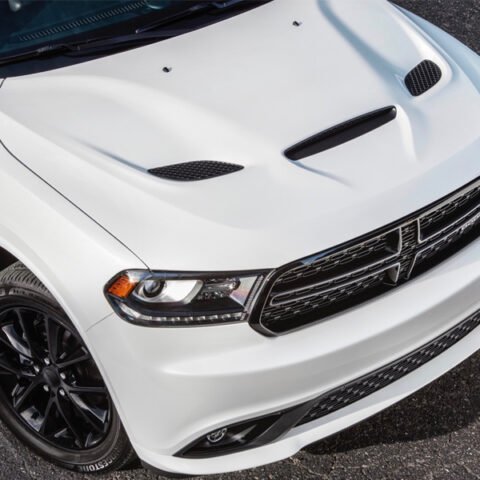
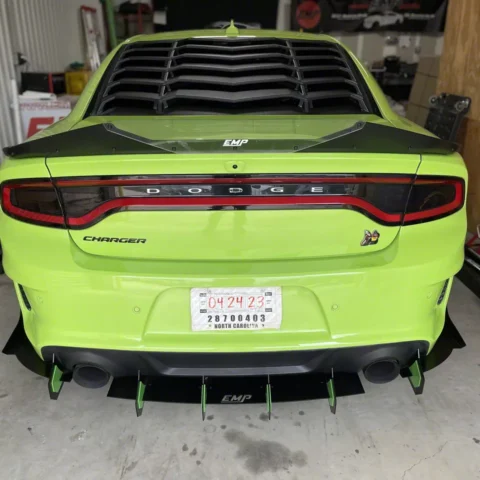
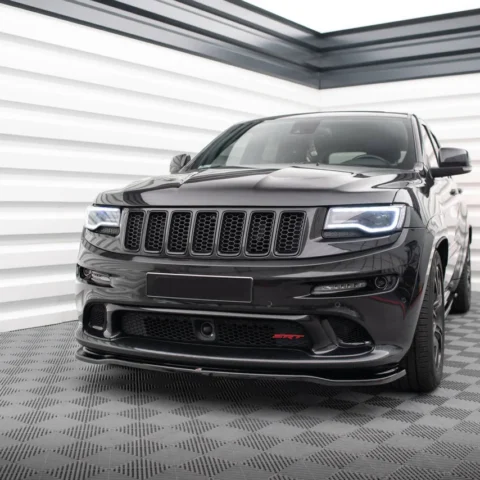
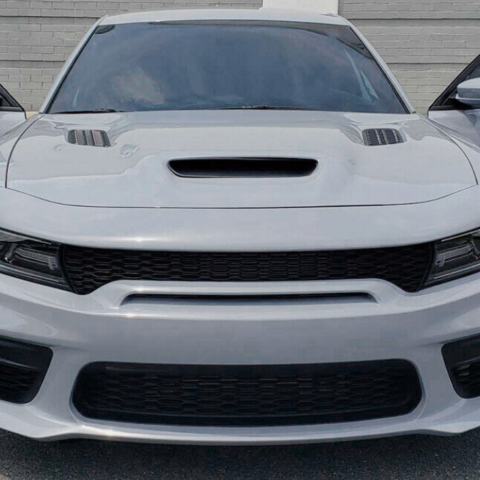
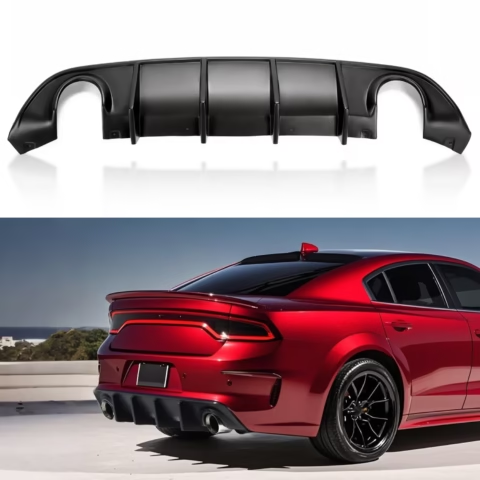
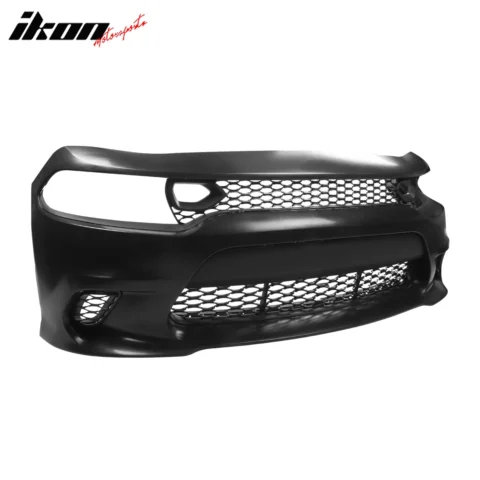
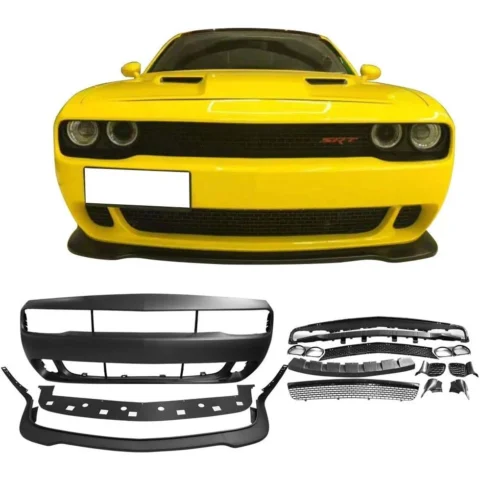
There are no reviews yet.