



Racing Cam & Lifters
$300.00
In stock
Racing Cam & Lifters — Used. Browse this engine parts option with detailed fitment guidance, buyer checks and shipping questions. Confirm vehicle year, trim, VIN or part number before ordering. Current photos and exact included components should be verified before payment.
Racing Cam & Lifters
Racing Cam & Lifters is a engine parts listing recovered from the GearHead Garage catalog. This expanded page is designed to help shoppers research fitment, condition, installation, shipping and value before buying. Because automotive fitment can vary by year, trim, drivetrain and production option, confirm compatibility with your VIN or factory part number whenever possible.
Product overview and buyer intent
For buyers researching cam and lifters options for compatible vehicle applications, the most important step is matching the recovered listing details to the exact vehicle configuration. The listing is connected with compatible vehicle applications, while the broader use case includes engine repair, forced-induction builds, airflow upgrades, powertrain swaps and performance restoration. The source listing recovered for this catalog entry states: “Racing parts: cam and lifters. Asking $300.” The recovered listing describes the item condition as used.
From an SEO and buyer-research perspective, people may arrive on this page through searches such as how do i find the right engine block for my vehicle?, how do i find the right engine mount for my vehicle?, how do i find the right engine assembly for my vehicle?, how can I match an engine air filter to my vehicle identification number?, Which dash cam offers the best video quality and value to buy right now?, but the goal is not to repeat keywords mechanically. The useful answer is to explain what the part is, what has to match, what should be inspected and what information a buyer should send before ordering. For cam and lifters, that means checking casting or part numbers, engine family, connectors, sensors, mileage where stated, shaft play or damage where applicable, sealing surfaces, threads and included accessories. These checks help separate a visually similar part from a genuinely compatible one.
Compatibility should be confirmed with the vehicle year, make, model, trim, drivetrain and—when available—the VIN or factory part number. A listing title can describe the intended application, but production changes, option packages and mid-year revisions can affect connectors, brackets or dimensions. Buyers should compare the part shown or described with the component removed from their own vehicle. When the original part number is available, matching that number is normally stronger evidence than relying on appearance alone.
Planning installation before the purchase also protects the buyer from avoidable delays. A sensible installation workflow includes confirming the engine family and calibration requirements, replacing service gaskets and fluids where appropriate, inspecting related hoses and wiring, and following manufacturer torque sequences. If the job affects safety systems, steering, brakes, airbags, fuel, high-current electrical circuits or structural body components, professional installation may be appropriate. The product description is a buying guide, not a substitute for the factory service manual or a qualified technician.
Correct engine-component selection matters because small differences in generation, sensor design or calibration can change compatibility. Price should therefore be considered together with completeness, condition, compatibility and the amount of preparation needed before installation. A lower-priced component that needs missing brackets, damaged connectors, body repair or difficult-to-find hardware can cost more by the time the vehicle is road-ready. Conversely, a clean take-off or well-preserved used component may offer strong value when it matches the intended application and the buyer understands exactly what is included.
Before payment, ask for the current item status, the exact components included in the sale, close-up photos of mounting points and any known defects. If the part is being shipped, request packaging details and inspect the package immediately on arrival. Keep photos of the packaging and product condition before installation. These steps are especially useful for bulky engine parts parts because transit damage can be different from pre-existing wear.
Why this part matters on the vehicle
A useful product page for Racing Cam & Lifters should answer fitment, condition, installation and value questions before a customer commits to shipping or installation. The listing is connected with compatible vehicle applications, while the broader use case includes engine repair, forced-induction builds, airflow upgrades, powertrain swaps and performance restoration. The source listing recovered for this catalog entry states: “Racing parts: cam and lifters. Asking $300.” The recovered listing describes the item condition as used.
From an SEO and buyer-research perspective, people may arrive on this page through searches such as how can I match an engine air filter to my vehicle identification number?, Which dash cam offers the best video quality and value to buy right now?, how do i find the right hood for my vehicle?, how do i find the right grille for my vehicle?, how do i find the right cv axle for my vehicle?, but the goal is not to repeat keywords mechanically. The useful answer is to explain what the part is, what has to match, what should be inspected and what information a buyer should send before ordering. For cam and lifters, that means checking casting or part numbers, engine family, connectors, sensors, mileage where stated, shaft play or damage where applicable, sealing surfaces, threads and included accessories. These checks help separate a visually similar part from a genuinely compatible one.
Compatibility should be confirmed with the vehicle year, make, model, trim, drivetrain and—when available—the VIN or factory part number. A listing title can describe the intended application, but production changes, option packages and mid-year revisions can affect connectors, brackets or dimensions. Buyers should compare the part shown or described with the component removed from their own vehicle. When the original part number is available, matching that number is normally stronger evidence than relying on appearance alone.
Planning installation before the purchase also protects the buyer from avoidable delays. A sensible installation workflow includes confirming the engine family and calibration requirements, replacing service gaskets and fluids where appropriate, inspecting related hoses and wiring, and following manufacturer torque sequences. If the job affects safety systems, steering, brakes, airbags, fuel, high-current electrical circuits or structural body components, professional installation may be appropriate. The product description is a buying guide, not a substitute for the factory service manual or a qualified technician.
Correct engine-component selection matters because small differences in generation, sensor design or calibration can change compatibility. Price should therefore be considered together with completeness, condition, compatibility and the amount of preparation needed before installation. A lower-priced component that needs missing brackets, damaged connectors, body repair or difficult-to-find hardware can cost more by the time the vehicle is road-ready. Conversely, a clean take-off or well-preserved used component may offer strong value when it matches the intended application and the buyer understands exactly what is included.
Before payment, ask for the current item status, the exact components included in the sale, close-up photos of mounting points and any known defects. If the part is being shipped, request packaging details and inspect the package immediately on arrival. Keep photos of the packaging and product condition before installation. These steps are especially useful for bulky engine parts parts because transit damage can be different from pre-existing wear.
Fitment and compatibility verification
When shoppers search for Racing Cam & Lifters, they are usually trying to solve a specific repair, restoration or upgrade need rather than simply browsing a generic auto parts store. The listing is connected with compatible vehicle applications, while the broader use case includes engine repair, forced-induction builds, airflow upgrades, powertrain swaps and performance restoration. The source listing recovered for this catalog entry states: “Racing parts: cam and lifters. Asking $300.” The recovered listing describes the item condition as used.
From an SEO and buyer-research perspective, people may arrive on this page through searches such as how do i find the right grille for my vehicle?, how do i find the right cv axle for my vehicle?, how do i find the right flatbed for my vehicle?, how do i find the right oil pan for my vehicle?, how do i find the right spoiler for my vehicle?, but the goal is not to repeat keywords mechanically. The useful answer is to explain what the part is, what has to match, what should be inspected and what information a buyer should send before ordering. For cam and lifters, that means checking casting or part numbers, engine family, connectors, sensors, mileage where stated, shaft play or damage where applicable, sealing surfaces, threads and included accessories. These checks help separate a visually similar part from a genuinely compatible one.
Compatibility should be confirmed with the vehicle year, make, model, trim, drivetrain and—when available—the VIN or factory part number. A listing title can describe the intended application, but production changes, option packages and mid-year revisions can affect connectors, brackets or dimensions. Buyers should compare the part shown or described with the component removed from their own vehicle. When the original part number is available, matching that number is normally stronger evidence than relying on appearance alone.
Planning installation before the purchase also protects the buyer from avoidable delays. A sensible installation workflow includes confirming the engine family and calibration requirements, replacing service gaskets and fluids where appropriate, inspecting related hoses and wiring, and following manufacturer torque sequences. If the job affects safety systems, steering, brakes, airbags, fuel, high-current electrical circuits or structural body components, professional installation may be appropriate. The product description is a buying guide, not a substitute for the factory service manual or a qualified technician.
Correct engine-component selection matters because small differences in generation, sensor design or calibration can change compatibility. Price should therefore be considered together with completeness, condition, compatibility and the amount of preparation needed before installation. A lower-priced component that needs missing brackets, damaged connectors, body repair or difficult-to-find hardware can cost more by the time the vehicle is road-ready. Conversely, a clean take-off or well-preserved used component may offer strong value when it matches the intended application and the buyer understands exactly what is included.
Before payment, ask for the current item status, the exact components included in the sale, close-up photos of mounting points and any known defects. If the part is being shipped, request packaging details and inspect the package immediately on arrival. Keep photos of the packaging and product condition before installation. These steps are especially useful for bulky engine parts parts because transit damage can be different from pre-existing wear.
Condition, inspection and what to look for
Racing Cam & Lifters sits in the engine parts category and is best evaluated as a vehicle-specific component, not as a universal accessory. The listing is connected with compatible vehicle applications, while the broader use case includes engine repair, forced-induction builds, airflow upgrades, powertrain swaps and performance restoration. The source listing recovered for this catalog entry states: “Racing parts: cam and lifters. Asking $300.” The recovered listing describes the item condition as used.
From an SEO and buyer-research perspective, people may arrive on this page through searches such as how do i find the right oil pan for my vehicle?, how do i find the right spoiler for my vehicle?, how do i find the right body kit for my vehicle?, how do i find the right flywheel for my vehicle?, how do i find the right long bed for my vehicle?, but the goal is not to repeat keywords mechanically. The useful answer is to explain what the part is, what has to match, what should be inspected and what information a buyer should send before ordering. For cam and lifters, that means checking casting or part numbers, engine family, connectors, sensors, mileage where stated, shaft play or damage where applicable, sealing surfaces, threads and included accessories. These checks help separate a visually similar part from a genuinely compatible one.
Compatibility should be confirmed with the vehicle year, make, model, trim, drivetrain and—when available—the VIN or factory part number. A listing title can describe the intended application, but production changes, option packages and mid-year revisions can affect connectors, brackets or dimensions. Buyers should compare the part shown or described with the component removed from their own vehicle. When the original part number is available, matching that number is normally stronger evidence than relying on appearance alone.
Planning installation before the purchase also protects the buyer from avoidable delays. A sensible installation workflow includes confirming the engine family and calibration requirements, replacing service gaskets and fluids where appropriate, inspecting related hoses and wiring, and following manufacturer torque sequences. If the job affects safety systems, steering, brakes, airbags, fuel, high-current electrical circuits or structural body components, professional installation may be appropriate. The product description is a buying guide, not a substitute for the factory service manual or a qualified technician.
Correct engine-component selection matters because small differences in generation, sensor design or calibration can change compatibility. Price should therefore be considered together with completeness, condition, compatibility and the amount of preparation needed before installation. A lower-priced component that needs missing brackets, damaged connectors, body repair or difficult-to-find hardware can cost more by the time the vehicle is road-ready. Conversely, a clean take-off or well-preserved used component may offer strong value when it matches the intended application and the buyer understands exactly what is included.
Before payment, ask for the current item status, the exact components included in the sale, close-up photos of mounting points and any known defects. If the part is being shipped, request packaging details and inspect the package immediately on arrival. Keep photos of the packaging and product condition before installation. These steps are especially useful for bulky engine parts parts because transit damage can be different from pre-existing wear.
OEM, used and aftermarket comparison
For buyers researching cam and lifters options for compatible vehicle applications, the most important step is matching the recovered listing details to the exact vehicle configuration. The listing is connected with compatible vehicle applications, while the broader use case includes engine repair, forced-induction builds, airflow upgrades, powertrain swaps and performance restoration. The source listing recovered for this catalog entry states: “Racing parts: cam and lifters. Asking $300.” The recovered listing describes the item condition as used.
From an SEO and buyer-research perspective, people may arrive on this page through searches such as how do i find the right flywheel for my vehicle?, how do i find the right long bed for my vehicle?, how do i find the right radiator for my vehicle?, how do i find the right subframe for my vehicle?, how do i find the right car radio for my vehicle?, but the goal is not to repeat keywords mechanically. The useful answer is to explain what the part is, what has to match, what should be inspected and what information a buyer should send before ordering. For cam and lifters, that means checking casting or part numbers, engine family, connectors, sensors, mileage where stated, shaft play or damage where applicable, sealing surfaces, threads and included accessories. These checks help separate a visually similar part from a genuinely compatible one.
Compatibility should be confirmed with the vehicle year, make, model, trim, drivetrain and—when available—the VIN or factory part number. A listing title can describe the intended application, but production changes, option packages and mid-year revisions can affect connectors, brackets or dimensions. Buyers should compare the part shown or described with the component removed from their own vehicle. When the original part number is available, matching that number is normally stronger evidence than relying on appearance alone.
Planning installation before the purchase also protects the buyer from avoidable delays. A sensible installation workflow includes confirming the engine family and calibration requirements, replacing service gaskets and fluids where appropriate, inspecting related hoses and wiring, and following manufacturer torque sequences. If the job affects safety systems, steering, brakes, airbags, fuel, high-current electrical circuits or structural body components, professional installation may be appropriate. The product description is a buying guide, not a substitute for the factory service manual or a qualified technician.
Correct engine-component selection matters because small differences in generation, sensor design or calibration can change compatibility. Price should therefore be considered together with completeness, condition, compatibility and the amount of preparation needed before installation. A lower-priced component that needs missing brackets, damaged connectors, body repair or difficult-to-find hardware can cost more by the time the vehicle is road-ready. Conversely, a clean take-off or well-preserved used component may offer strong value when it matches the intended application and the buyer understands exactly what is included.
Before payment, ask for the current item status, the exact components included in the sale, close-up photos of mounting points and any known defects. If the part is being shipped, request packaging details and inspect the package immediately on arrival. Keep photos of the packaging and product condition before installation. These steps are especially useful for bulky engine parts parts because transit damage can be different from pre-existing wear.
Installation planning before you order
A useful product page for Racing Cam & Lifters should answer fitment, condition, installation and value questions before a customer commits to shipping or installation. The listing is connected with compatible vehicle applications, while the broader use case includes engine repair, forced-induction builds, airflow upgrades, powertrain swaps and performance restoration. The source listing recovered for this catalog entry states: “Racing parts: cam and lifters. Asking $300.” The recovered listing describes the item condition as used.
From an SEO and buyer-research perspective, people may arrive on this page through searches such as how do i find the right subframe for my vehicle?, how do i find the right car radio for my vehicle?, how do i find the right dashboard for my vehicle?, how do i find the right fuel pump for my vehicle?, how do i find the right rear door for my vehicle?, but the goal is not to repeat keywords mechanically. The useful answer is to explain what the part is, what has to match, what should be inspected and what information a buyer should send before ordering. For cam and lifters, that means checking casting or part numbers, engine family, connectors, sensors, mileage where stated, shaft play or damage where applicable, sealing surfaces, threads and included accessories. These checks help separate a visually similar part from a genuinely compatible one.
Compatibility should be confirmed with the vehicle year, make, model, trim, drivetrain and—when available—the VIN or factory part number. A listing title can describe the intended application, but production changes, option packages and mid-year revisions can affect connectors, brackets or dimensions. Buyers should compare the part shown or described with the component removed from their own vehicle. When the original part number is available, matching that number is normally stronger evidence than relying on appearance alone.
Planning installation before the purchase also protects the buyer from avoidable delays. A sensible installation workflow includes confirming the engine family and calibration requirements, replacing service gaskets and fluids where appropriate, inspecting related hoses and wiring, and following manufacturer torque sequences. If the job affects safety systems, steering, brakes, airbags, fuel, high-current electrical circuits or structural body components, professional installation may be appropriate. The product description is a buying guide, not a substitute for the factory service manual or a qualified technician.
Correct engine-component selection matters because small differences in generation, sensor design or calibration can change compatibility. Price should therefore be considered together with completeness, condition, compatibility and the amount of preparation needed before installation. A lower-priced component that needs missing brackets, damaged connectors, body repair or difficult-to-find hardware can cost more by the time the vehicle is road-ready. Conversely, a clean take-off or well-preserved used component may offer strong value when it matches the intended application and the buyer understands exactly what is included.
Before payment, ask for the current item status, the exact components included in the sale, close-up photos of mounting points and any known defects. If the part is being shipped, request packaging details and inspect the package immediately on arrival. Keep photos of the packaging and product condition before installation. These steps are especially useful for bulky engine parts parts because transit damage can be different from pre-existing wear.
Supporting components to inspect at the same time
When shoppers search for Racing Cam & Lifters, they are usually trying to solve a specific repair, restoration or upgrade need rather than simply browsing a generic auto parts store. The listing is connected with compatible vehicle applications, while the broader use case includes engine repair, forced-induction builds, airflow upgrades, powertrain swaps and performance restoration. The source listing recovered for this catalog entry states: “Racing parts: cam and lifters. Asking $300.” The recovered listing describes the item condition as used.
From an SEO and buyer-research perspective, people may arrive on this page through searches such as how do i find the right fuel pump for my vehicle?, how do i find the right rear door for my vehicle?, how do i find the right rear seat for my vehicle?, how do i find the right short bed for my vehicle?, how do i find the right truck bed for my vehicle?, but the goal is not to repeat keywords mechanically. The useful answer is to explain what the part is, what has to match, what should be inspected and what information a buyer should send before ordering. For cam and lifters, that means checking casting or part numbers, engine family, connectors, sensors, mileage where stated, shaft play or damage where applicable, sealing surfaces, threads and included accessories. These checks help separate a visually similar part from a genuinely compatible one.
Compatibility should be confirmed with the vehicle year, make, model, trim, drivetrain and—when available—the VIN or factory part number. A listing title can describe the intended application, but production changes, option packages and mid-year revisions can affect connectors, brackets or dimensions. Buyers should compare the part shown or described with the component removed from their own vehicle. When the original part number is available, matching that number is normally stronger evidence than relying on appearance alone.
Planning installation before the purchase also protects the buyer from avoidable delays. A sensible installation workflow includes confirming the engine family and calibration requirements, replacing service gaskets and fluids where appropriate, inspecting related hoses and wiring, and following manufacturer torque sequences. If the job affects safety systems, steering, brakes, airbags, fuel, high-current electrical circuits or structural body components, professional installation may be appropriate. The product description is a buying guide, not a substitute for the factory service manual or a qualified technician.
Correct engine-component selection matters because small differences in generation, sensor design or calibration can change compatibility. Price should therefore be considered together with completeness, condition, compatibility and the amount of preparation needed before installation. A lower-priced component that needs missing brackets, damaged connectors, body repair or difficult-to-find hardware can cost more by the time the vehicle is road-ready. Conversely, a clean take-off or well-preserved used component may offer strong value when it matches the intended application and the buyer understands exactly what is included.
Before payment, ask for the current item status, the exact components included in the sale, close-up photos of mounting points and any known defects. If the part is being shipped, request packaging details and inspect the package immediately on arrival. Keep photos of the packaging and product condition before installation. These steps are especially useful for bulky engine parts parts because transit damage can be different from pre-existing wear.
Performance, appearance and real-world use
Racing Cam & Lifters sits in the engine parts category and is best evaluated as a vehicle-specific component, not as a universal accessory. The listing is connected with compatible vehicle applications, while the broader use case includes engine repair, forced-induction builds, airflow upgrades, powertrain swaps and performance restoration. The source listing recovered for this catalog entry states: “Racing parts: cam and lifters. Asking $300.” The recovered listing describes the item condition as used.
From an SEO and buyer-research perspective, people may arrive on this page through searches such as how do i find the right short bed for my vehicle?, how do i find the right truck bed for my vehicle?, how do i find the right abs module for my vehicle?, how do i find the right alternator for my vehicle?, how do i find the right ball joint for my vehicle?, but the goal is not to repeat keywords mechanically. The useful answer is to explain what the part is, what has to match, what should be inspected and what information a buyer should send before ordering. For cam and lifters, that means checking casting or part numbers, engine family, connectors, sensors, mileage where stated, shaft play or damage where applicable, sealing surfaces, threads and included accessories. These checks help separate a visually similar part from a genuinely compatible one.
Compatibility should be confirmed with the vehicle year, make, model, trim, drivetrain and—when available—the VIN or factory part number. A listing title can describe the intended application, but production changes, option packages and mid-year revisions can affect connectors, brackets or dimensions. Buyers should compare the part shown or described with the component removed from their own vehicle. When the original part number is available, matching that number is normally stronger evidence than relying on appearance alone.
Planning installation before the purchase also protects the buyer from avoidable delays. A sensible installation workflow includes confirming the engine family and calibration requirements, replacing service gaskets and fluids where appropriate, inspecting related hoses and wiring, and following manufacturer torque sequences. If the job affects safety systems, steering, brakes, airbags, fuel, high-current electrical circuits or structural body components, professional installation may be appropriate. The product description is a buying guide, not a substitute for the factory service manual or a qualified technician.
Correct engine-component selection matters because small differences in generation, sensor design or calibration can change compatibility. Price should therefore be considered together with completeness, condition, compatibility and the amount of preparation needed before installation. A lower-priced component that needs missing brackets, damaged connectors, body repair or difficult-to-find hardware can cost more by the time the vehicle is road-ready. Conversely, a clean take-off or well-preserved used component may offer strong value when it matches the intended application and the buyer understands exactly what is included.
Before payment, ask for the current item status, the exact components included in the sale, close-up photos of mounting points and any known defects. If the part is being shipped, request packaging details and inspect the package immediately on arrival. Keep photos of the packaging and product condition before installation. These steps are especially useful for bulky engine parts parts because transit damage can be different from pre-existing wear.
Restoration and project-build considerations
For buyers researching cam and lifters options for compatible vehicle applications, the most important step is matching the recovered listing details to the exact vehicle configuration. The listing is connected with compatible vehicle applications, while the broader use case includes engine repair, forced-induction builds, airflow upgrades, powertrain swaps and performance restoration. The source listing recovered for this catalog entry states: “Racing parts: cam and lifters. Asking $300.” The recovered listing describes the item condition as used.
From an SEO and buyer-research perspective, people may arrive on this page through searches such as how do i find the right alternator for my vehicle?, how do i find the right ball joint for my vehicle?, how do i find the right brake hose for my vehicle?, how do i find the right clutch kit for my vehicle?, how do i find the right door panel for my vehicle?, but the goal is not to repeat keywords mechanically. The useful answer is to explain what the part is, what has to match, what should be inspected and what information a buyer should send before ordering. For cam and lifters, that means checking casting or part numbers, engine family, connectors, sensors, mileage where stated, shaft play or damage where applicable, sealing surfaces, threads and included accessories. These checks help separate a visually similar part from a genuinely compatible one.
Compatibility should be confirmed with the vehicle year, make, model, trim, drivetrain and—when available—the VIN or factory part number. A listing title can describe the intended application, but production changes, option packages and mid-year revisions can affect connectors, brackets or dimensions. Buyers should compare the part shown or described with the component removed from their own vehicle. When the original part number is available, matching that number is normally stronger evidence than relying on appearance alone.
Planning installation before the purchase also protects the buyer from avoidable delays. A sensible installation workflow includes confirming the engine family and calibration requirements, replacing service gaskets and fluids where appropriate, inspecting related hoses and wiring, and following manufacturer torque sequences. If the job affects safety systems, steering, brakes, airbags, fuel, high-current electrical circuits or structural body components, professional installation may be appropriate. The product description is a buying guide, not a substitute for the factory service manual or a qualified technician.
Correct engine-component selection matters because small differences in generation, sensor design or calibration can change compatibility. Price should therefore be considered together with completeness, condition, compatibility and the amount of preparation needed before installation. A lower-priced component that needs missing brackets, damaged connectors, body repair or difficult-to-find hardware can cost more by the time the vehicle is road-ready. Conversely, a clean take-off or well-preserved used component may offer strong value when it matches the intended application and the buyer understands exactly what is included.
Before payment, ask for the current item status, the exact components included in the sale, close-up photos of mounting points and any known defects. If the part is being shipped, request packaging details and inspect the package immediately on arrival. Keep photos of the packaging and product condition before installation. These steps are especially useful for bulky engine parts parts because transit damage can be different from pre-existing wear.
How to evaluate value instead of price alone
A useful product page for Racing Cam & Lifters should answer fitment, condition, installation and value questions before a customer commits to shipping or installation. The listing is connected with compatible vehicle applications, while the broader use case includes engine repair, forced-induction builds, airflow upgrades, powertrain swaps and performance restoration. The source listing recovered for this catalog entry states: “Racing parts: cam and lifters. Asking $300.” The recovered listing describes the item condition as used.
From an SEO and buyer-research perspective, people may arrive on this page through searches such as how do i find the right clutch kit for my vehicle?, how do i find the right door panel for my vehicle?, how do i find the right driveshaft for my vehicle?, how do i find the right dually bed for my vehicle?, how do i find the right front door for my vehicle?, but the goal is not to repeat keywords mechanically. The useful answer is to explain what the part is, what has to match, what should be inspected and what information a buyer should send before ordering. For cam and lifters, that means checking casting or part numbers, engine family, connectors, sensors, mileage where stated, shaft play or damage where applicable, sealing surfaces, threads and included accessories. These checks help separate a visually similar part from a genuinely compatible one.
Compatibility should be confirmed with the vehicle year, make, model, trim, drivetrain and—when available—the VIN or factory part number. A listing title can describe the intended application, but production changes, option packages and mid-year revisions can affect connectors, brackets or dimensions. Buyers should compare the part shown or described with the component removed from their own vehicle. When the original part number is available, matching that number is normally stronger evidence than relying on appearance alone.
Planning installation before the purchase also protects the buyer from avoidable delays. A sensible installation workflow includes confirming the engine family and calibration requirements, replacing service gaskets and fluids where appropriate, inspecting related hoses and wiring, and following manufacturer torque sequences. If the job affects safety systems, steering, brakes, airbags, fuel, high-current electrical circuits or structural body components, professional installation may be appropriate. The product description is a buying guide, not a substitute for the factory service manual or a qualified technician.
Correct engine-component selection matters because small differences in generation, sensor design or calibration can change compatibility. Price should therefore be considered together with completeness, condition, compatibility and the amount of preparation needed before installation. A lower-priced component that needs missing brackets, damaged connectors, body repair or difficult-to-find hardware can cost more by the time the vehicle is road-ready. Conversely, a clean take-off or well-preserved used component may offer strong value when it matches the intended application and the buyer understands exactly what is included.
Before payment, ask for the current item status, the exact components included in the sale, close-up photos of mounting points and any known defects. If the part is being shipped, request packaging details and inspect the package immediately on arrival. Keep photos of the packaging and product condition before installation. These steps are especially useful for bulky engine parts parts because transit damage can be different from pre-existing wear.
Online purchasing and documentation
When shoppers search for Racing Cam & Lifters, they are usually trying to solve a specific repair, restoration or upgrade need rather than simply browsing a generic auto parts store. The listing is connected with compatible vehicle applications, while the broader use case includes engine repair, forced-induction builds, airflow upgrades, powertrain swaps and performance restoration. The source listing recovered for this catalog entry states: “Racing parts: cam and lifters. Asking $300.” The recovered listing describes the item condition as used.
From an SEO and buyer-research perspective, people may arrive on this page through searches such as how do i find the right dually bed for my vehicle?, how do i find the right front door for my vehicle?, how do i find the right front seat for my vehicle?, how do i find the right hood hinge for my vehicle?, how do i find the right side skirt for my vehicle?, but the goal is not to repeat keywords mechanically. The useful answer is to explain what the part is, what has to match, what should be inspected and what information a buyer should send before ordering. For cam and lifters, that means checking casting or part numbers, engine family, connectors, sensors, mileage where stated, shaft play or damage where applicable, sealing surfaces, threads and included accessories. These checks help separate a visually similar part from a genuinely compatible one.
Compatibility should be confirmed with the vehicle year, make, model, trim, drivetrain and—when available—the VIN or factory part number. A listing title can describe the intended application, but production changes, option packages and mid-year revisions can affect connectors, brackets or dimensions. Buyers should compare the part shown or described with the component removed from their own vehicle. When the original part number is available, matching that number is normally stronger evidence than relying on appearance alone.
Planning installation before the purchase also protects the buyer from avoidable delays. A sensible installation workflow includes confirming the engine family and calibration requirements, replacing service gaskets and fluids where appropriate, inspecting related hoses and wiring, and following manufacturer torque sequences. If the job affects safety systems, steering, brakes, airbags, fuel, high-current electrical circuits or structural body components, professional installation may be appropriate. The product description is a buying guide, not a substitute for the factory service manual or a qualified technician.
Correct engine-component selection matters because small differences in generation, sensor design or calibration can change compatibility. Price should therefore be considered together with completeness, condition, compatibility and the amount of preparation needed before installation. A lower-priced component that needs missing brackets, damaged connectors, body repair or difficult-to-find hardware can cost more by the time the vehicle is road-ready. Conversely, a clean take-off or well-preserved used component may offer strong value when it matches the intended application and the buyer understands exactly what is included.
Before payment, ask for the current item status, the exact components included in the sale, close-up photos of mounting points and any known defects. If the part is being shipped, request packaging details and inspect the package immediately on arrival. Keep photos of the packaging and product condition before installation. These steps are especially useful for bulky engine parts parts because transit damage can be different from pre-existing wear.
Shipping, packaging and receiving inspection
Racing Cam & Lifters sits in the engine parts category and is best evaluated as a vehicle-specific component, not as a universal accessory. The listing is connected with compatible vehicle applications, while the broader use case includes engine repair, forced-induction builds, airflow upgrades, powertrain swaps and performance restoration. The source listing recovered for this catalog entry states: “Racing parts: cam and lifters. Asking $300.” The recovered listing describes the item condition as used.
From an SEO and buyer-research perspective, people may arrive on this page through searches such as how do i find the right hood hinge for my vehicle?, how do i find the right side skirt for my vehicle?, how do i find the right water pump for my vehicle?, how do i find the right wheel stud for my vehicle?, how do i find the right alloy wheel for my vehicle?, but the goal is not to repeat keywords mechanically. The useful answer is to explain what the part is, what has to match, what should be inspected and what information a buyer should send before ordering. For cam and lifters, that means checking casting or part numbers, engine family, connectors, sensors, mileage where stated, shaft play or damage where applicable, sealing surfaces, threads and included accessories. These checks help separate a visually similar part from a genuinely compatible one.
Compatibility should be confirmed with the vehicle year, make, model, trim, drivetrain and—when available—the VIN or factory part number. A listing title can describe the intended application, but production changes, option packages and mid-year revisions can affect connectors, brackets or dimensions. Buyers should compare the part shown or described with the component removed from their own vehicle. When the original part number is available, matching that number is normally stronger evidence than relying on appearance alone.
Planning installation before the purchase also protects the buyer from avoidable delays. A sensible installation workflow includes confirming the engine family and calibration requirements, replacing service gaskets and fluids where appropriate, inspecting related hoses and wiring, and following manufacturer torque sequences. If the job affects safety systems, steering, brakes, airbags, fuel, high-current electrical circuits or structural body components, professional installation may be appropriate. The product description is a buying guide, not a substitute for the factory service manual or a qualified technician.
Correct engine-component selection matters because small differences in generation, sensor design or calibration can change compatibility. Price should therefore be considered together with completeness, condition, compatibility and the amount of preparation needed before installation. A lower-priced component that needs missing brackets, damaged connectors, body repair or difficult-to-find hardware can cost more by the time the vehicle is road-ready. Conversely, a clean take-off or well-preserved used component may offer strong value when it matches the intended application and the buyer understands exactly what is included.
Before payment, ask for the current item status, the exact components included in the sale, close-up photos of mounting points and any known defects. If the part is being shipped, request packaging details and inspect the package immediately on arrival. Keep photos of the packaging and product condition before installation. These steps are especially useful for bulky engine parts parts because transit damage can be different from pre-existing wear.
Part numbers, VIN checks and trim differences
For buyers researching cam and lifters options for compatible vehicle applications, the most important step is matching the recovered listing details to the exact vehicle configuration. The listing is connected with compatible vehicle applications, while the broader use case includes engine repair, forced-induction builds, airflow upgrades, powertrain swaps and performance restoration. The source listing recovered for this catalog entry states: “Racing parts: cam and lifters. Asking $300.” The recovered listing describes the item condition as used.
From an SEO and buyer-research perspective, people may arrive on this page through searches such as how do i find the right wheel stud for my vehicle?, how do i find the right alloy wheel for my vehicle?, how do i find the right brake rotor for my vehicle?, how do i find the right coil spring for my vehicle?, how do i find the right control arm for my vehicle?, but the goal is not to repeat keywords mechanically. The useful answer is to explain what the part is, what has to match, what should be inspected and what information a buyer should send before ordering. For cam and lifters, that means checking casting or part numbers, engine family, connectors, sensors, mileage where stated, shaft play or damage where applicable, sealing surfaces, threads and included accessories. These checks help separate a visually similar part from a genuinely compatible one.
Compatibility should be confirmed with the vehicle year, make, model, trim, drivetrain and—when available—the VIN or factory part number. A listing title can describe the intended application, but production changes, option packages and mid-year revisions can affect connectors, brackets or dimensions. Buyers should compare the part shown or described with the component removed from their own vehicle. When the original part number is available, matching that number is normally stronger evidence than relying on appearance alone.
Planning installation before the purchase also protects the buyer from avoidable delays. A sensible installation workflow includes confirming the engine family and calibration requirements, replacing service gaskets and fluids where appropriate, inspecting related hoses and wiring, and following manufacturer torque sequences. If the job affects safety systems, steering, brakes, airbags, fuel, high-current electrical circuits or structural body components, professional installation may be appropriate. The product description is a buying guide, not a substitute for the factory service manual or a qualified technician.
Correct engine-component selection matters because small differences in generation, sensor design or calibration can change compatibility. Price should therefore be considered together with completeness, condition, compatibility and the amount of preparation needed before installation. A lower-priced component that needs missing brackets, damaged connectors, body repair or difficult-to-find hardware can cost more by the time the vehicle is road-ready. Conversely, a clean take-off or well-preserved used component may offer strong value when it matches the intended application and the buyer understands exactly what is included.
Before payment, ask for the current item status, the exact components included in the sale, close-up photos of mounting points and any known defects. If the part is being shipped, request packaging details and inspect the package immediately on arrival. Keep photos of the packaging and product condition before installation. These steps are especially useful for bulky engine parts parts because transit damage can be different from pre-existing wear.
Common buying mistakes to avoid
A useful product page for Racing Cam & Lifters should answer fitment, condition, installation and value questions before a customer commits to shipping or installation. The listing is connected with compatible vehicle applications, while the broader use case includes engine repair, forced-induction builds, airflow upgrades, powertrain swaps and performance restoration. The source listing recovered for this catalog entry states: “Racing parts: cam and lifters. Asking $300.” The recovered listing describes the item condition as used.
From an SEO and buyer-research perspective, people may arrive on this page through searches such as how do i find the right coil spring for my vehicle?, how do i find the right control arm for my vehicle?, how do i find the right door handle for my vehicle?, how do i find the right front strut for my vehicle?, how do i find the right intercooler for my vehicle?, but the goal is not to repeat keywords mechanically. The useful answer is to explain what the part is, what has to match, what should be inspected and what information a buyer should send before ordering. For cam and lifters, that means checking casting or part numbers, engine family, connectors, sensors, mileage where stated, shaft play or damage where applicable, sealing surfaces, threads and included accessories. These checks help separate a visually similar part from a genuinely compatible one.
Compatibility should be confirmed with the vehicle year, make, model, trim, drivetrain and—when available—the VIN or factory part number. A listing title can describe the intended application, but production changes, option packages and mid-year revisions can affect connectors, brackets or dimensions. Buyers should compare the part shown or described with the component removed from their own vehicle. When the original part number is available, matching that number is normally stronger evidence than relying on appearance alone.
Planning installation before the purchase also protects the buyer from avoidable delays. A sensible installation workflow includes confirming the engine family and calibration requirements, replacing service gaskets and fluids where appropriate, inspecting related hoses and wiring, and following manufacturer torque sequences. If the job affects safety systems, steering, brakes, airbags, fuel, high-current electrical circuits or structural body components, professional installation may be appropriate. The product description is a buying guide, not a substitute for the factory service manual or a qualified technician.
Correct engine-component selection matters because small differences in generation, sensor design or calibration can change compatibility. Price should therefore be considered together with completeness, condition, compatibility and the amount of preparation needed before installation. A lower-priced component that needs missing brackets, damaged connectors, body repair or difficult-to-find hardware can cost more by the time the vehicle is road-ready. Conversely, a clean take-off or well-preserved used component may offer strong value when it matches the intended application and the buyer understands exactly what is included.
Before payment, ask for the current item status, the exact components included in the sale, close-up photos of mounting points and any known defects. If the part is being shipped, request packaging details and inspect the package immediately on arrival. Keep photos of the packaging and product condition before installation. These steps are especially useful for bulky engine parts parts because transit damage can be different from pre-existing wear.
Maintenance and long-term ownership
When shoppers search for Racing Cam & Lifters, they are usually trying to solve a specific repair, restoration or upgrade need rather than simply browsing a generic auto parts store. The listing is connected with compatible vehicle applications, while the broader use case includes engine repair, forced-induction builds, airflow upgrades, powertrain swaps and performance restoration. The source listing recovered for this catalog entry states: “Racing parts: cam and lifters. Asking $300.” The recovered listing describes the item condition as used.
From an SEO and buyer-research perspective, people may arrive on this page through searches such as how do i find the right front strut for my vehicle?, how do i find the right intercooler for my vehicle?, how do i find the right leaf spring for my vehicle?, how do i find the right rear bumper for my vehicle?, how do i find the right service bed for my vehicle?, but the goal is not to repeat keywords mechanically. The useful answer is to explain what the part is, what has to match, what should be inspected and what information a buyer should send before ordering. For cam and lifters, that means checking casting or part numbers, engine family, connectors, sensors, mileage where stated, shaft play or damage where applicable, sealing surfaces, threads and included accessories. These checks help separate a visually similar part from a genuinely compatible one.
Compatibility should be confirmed with the vehicle year, make, model, trim, drivetrain and—when available—the VIN or factory part number. A listing title can describe the intended application, but production changes, option packages and mid-year revisions can affect connectors, brackets or dimensions. Buyers should compare the part shown or described with the component removed from their own vehicle. When the original part number is available, matching that number is normally stronger evidence than relying on appearance alone.
Planning installation before the purchase also protects the buyer from avoidable delays. A sensible installation workflow includes confirming the engine family and calibration requirements, replacing service gaskets and fluids where appropriate, inspecting related hoses and wiring, and following manufacturer torque sequences. If the job affects safety systems, steering, brakes, airbags, fuel, high-current electrical circuits or structural body components, professional installation may be appropriate. The product description is a buying guide, not a substitute for the factory service manual or a qualified technician.
Correct engine-component selection matters because small differences in generation, sensor design or calibration can change compatibility. Price should therefore be considered together with completeness, condition, compatibility and the amount of preparation needed before installation. A lower-priced component that needs missing brackets, damaged connectors, body repair or difficult-to-find hardware can cost more by the time the vehicle is road-ready. Conversely, a clean take-off or well-preserved used component may offer strong value when it matches the intended application and the buyer understands exactly what is included.
Before payment, ask for the current item status, the exact components included in the sale, close-up photos of mounting points and any known defects. If the part is being shipped, request packaging details and inspect the package immediately on arrival. Keep photos of the packaging and product condition before installation. These steps are especially useful for bulky engine parts parts because transit damage can be different from pre-existing wear.
When replacement makes sense
Racing Cam & Lifters sits in the engine parts category and is best evaluated as a vehicle-specific component, not as a universal accessory. The listing is connected with compatible vehicle applications, while the broader use case includes engine repair, forced-induction builds, airflow upgrades, powertrain swaps and performance restoration. The source listing recovered for this catalog entry states: “Racing parts: cam and lifters. Asking $300.” The recovered listing describes the item condition as used.
From an SEO and buyer-research perspective, people may arrive on this page through searches such as how do i find the right rear bumper for my vehicle?, how do i find the right service bed for my vehicle?, how do i find the right side mirror for my vehicle?, how do i find the right steel wheel for my vehicle?, how do i find the right tie rod end for my vehicle?, but the goal is not to repeat keywords mechanically. The useful answer is to explain what the part is, what has to match, what should be inspected and what information a buyer should send before ordering. For cam and lifters, that means checking casting or part numbers, engine family, connectors, sensors, mileage where stated, shaft play or damage where applicable, sealing surfaces, threads and included accessories. These checks help separate a visually similar part from a genuinely compatible one.
Compatibility should be confirmed with the vehicle year, make, model, trim, drivetrain and—when available—the VIN or factory part number. A listing title can describe the intended application, but production changes, option packages and mid-year revisions can affect connectors, brackets or dimensions. Buyers should compare the part shown or described with the component removed from their own vehicle. When the original part number is available, matching that number is normally stronger evidence than relying on appearance alone.
Planning installation before the purchase also protects the buyer from avoidable delays. A sensible installation workflow includes confirming the engine family and calibration requirements, replacing service gaskets and fluids where appropriate, inspecting related hoses and wiring, and following manufacturer torque sequences. If the job affects safety systems, steering, brakes, airbags, fuel, high-current electrical circuits or structural body components, professional installation may be appropriate. The product description is a buying guide, not a substitute for the factory service manual or a qualified technician.
Correct engine-component selection matters because small differences in generation, sensor design or calibration can change compatibility. Price should therefore be considered together with completeness, condition, compatibility and the amount of preparation needed before installation. A lower-priced component that needs missing brackets, damaged connectors, body repair or difficult-to-find hardware can cost more by the time the vehicle is road-ready. Conversely, a clean take-off or well-preserved used component may offer strong value when it matches the intended application and the buyer understands exactly what is included.
Before payment, ask for the current item status, the exact components included in the sale, close-up photos of mounting points and any known defects. If the part is being shipped, request packaging details and inspect the package immediately on arrival. Keep photos of the packaging and product condition before installation. These steps are especially useful for bulky engine parts parts because transit damage can be different from pre-existing wear.
How enthusiasts compare similar listings
For buyers researching cam and lifters options for compatible vehicle applications, the most important step is matching the recovered listing details to the exact vehicle configuration. The listing is connected with compatible vehicle applications, while the broader use case includes engine repair, forced-induction builds, airflow upgrades, powertrain swaps and performance restoration. The source listing recovered for this catalog entry states: “Racing parts: cam and lifters. Asking $300.” The recovered listing describes the item condition as used.
From an SEO and buyer-research perspective, people may arrive on this page through searches such as how do i find the right steel wheel for my vehicle?, how do i find the right tie rod end for my vehicle?, how do i find the right tpms sensor for my vehicle?, how do i find the right truck wheel for my vehicle?, how do i find the right utility bed for my vehicle?, but the goal is not to repeat keywords mechanically. The useful answer is to explain what the part is, what has to match, what should be inspected and what information a buyer should send before ordering. For cam and lifters, that means checking casting or part numbers, engine family, connectors, sensors, mileage where stated, shaft play or damage where applicable, sealing surfaces, threads and included accessories. These checks help separate a visually similar part from a genuinely compatible one.
Compatibility should be confirmed with the vehicle year, make, model, trim, drivetrain and—when available—the VIN or factory part number. A listing title can describe the intended application, but production changes, option packages and mid-year revisions can affect connectors, brackets or dimensions. Buyers should compare the part shown or described with the component removed from their own vehicle. When the original part number is available, matching that number is normally stronger evidence than relying on appearance alone.
Planning installation before the purchase also protects the buyer from avoidable delays. A sensible installation workflow includes confirming the engine family and calibration requirements, replacing service gaskets and fluids where appropriate, inspecting related hoses and wiring, and following manufacturer torque sequences. If the job affects safety systems, steering, brakes, airbags, fuel, high-current electrical circuits or structural body components, professional installation may be appropriate. The product description is a buying guide, not a substitute for the factory service manual or a qualified technician.
Correct engine-component selection matters because small differences in generation, sensor design or calibration can change compatibility. Price should therefore be considered together with completeness, condition, compatibility and the amount of preparation needed before installation. A lower-priced component that needs missing brackets, damaged connectors, body repair or difficult-to-find hardware can cost more by the time the vehicle is road-ready. Conversely, a clean take-off or well-preserved used component may offer strong value when it matches the intended application and the buyer understands exactly what is included.
Before payment, ask for the current item status, the exact components included in the sale, close-up photos of mounting points and any known defects. If the part is being shipped, request packaging details and inspect the package immediately on arrival. Keep photos of the packaging and product condition before installation. These steps are especially useful for bulky engine parts parts because transit damage can be different from pre-existing wear.
Questions to ask before payment
A useful product page for Racing Cam & Lifters should answer fitment, condition, installation and value questions before a customer commits to shipping or installation. The listing is connected with compatible vehicle applications, while the broader use case includes engine repair, forced-induction builds, airflow upgrades, powertrain swaps and performance restoration. The source listing recovered for this catalog entry states: “Racing parts: cam and lifters. Asking $300.” The recovered listing describes the item condition as used.
From an SEO and buyer-research perspective, people may arrive on this page through searches such as how do i find the right truck wheel for my vehicle?, how do i find the right utility bed for my vehicle?, how do i find the right valve cover for my vehicle?, how do i find the right bed rail cap for my vehicle?, how do i find the right engine block for my vehicle?, but the goal is not to repeat keywords mechanically. The useful answer is to explain what the part is, what has to match, what should be inspected and what information a buyer should send before ordering. For cam and lifters, that means checking casting or part numbers, engine family, connectors, sensors, mileage where stated, shaft play or damage where applicable, sealing surfaces, threads and included accessories. These checks help separate a visually similar part from a genuinely compatible one.
Compatibility should be confirmed with the vehicle year, make, model, trim, drivetrain and—when available—the VIN or factory part number. A listing title can describe the intended application, but production changes, option packages and mid-year revisions can affect connectors, brackets or dimensions. Buyers should compare the part shown or described with the component removed from their own vehicle. When the original part number is available, matching that number is normally stronger evidence than relying on appearance alone.
Planning installation before the purchase also protects the buyer from avoidable delays. A sensible installation workflow includes confirming the engine family and calibration requirements, replacing service gaskets and fluids where appropriate, inspecting related hoses and wiring, and following manufacturer torque sequences. If the job affects safety systems, steering, brakes, airbags, fuel, high-current electrical circuits or structural body components, professional installation may be appropriate. The product description is a buying guide, not a substitute for the factory service manual or a qualified technician.
Correct engine-component selection matters because small differences in generation, sensor design or calibration can change compatibility. Price should therefore be considered together with completeness, condition, compatibility and the amount of preparation needed before installation. A lower-priced component that needs missing brackets, damaged connectors, body repair or difficult-to-find hardware can cost more by the time the vehicle is road-ready. Conversely, a clean take-off or well-preserved used component may offer strong value when it matches the intended application and the buyer understands exactly what is included.
Before payment, ask for the current item status, the exact components included in the sale, close-up photos of mounting points and any known defects. If the part is being shipped, request packaging details and inspect the package immediately on arrival. Keep photos of the packaging and product condition before installation. These steps are especially useful for bulky engine parts parts because transit damage can be different from pre-existing wear.
Search terms buyers use for this type of part
When shoppers search for Racing Cam & Lifters, they are usually trying to solve a specific repair, restoration or upgrade need rather than simply browsing a generic auto parts store. The listing is connected with compatible vehicle applications, while the broader use case includes engine repair, forced-induction builds, airflow upgrades, powertrain swaps and performance restoration. The source listing recovered for this catalog entry states: “Racing parts: cam and lifters. Asking $300.” The recovered listing describes the item condition as used.
From an SEO and buyer-research perspective, people may arrive on this page through searches such as how do i find the right bed rail cap for my vehicle?, how do i find the right engine block for my vehicle?, how do i find the right engine mount for my vehicle?, how do i find the right engine assembly for my vehicle?, how can I match an engine air filter to my vehicle identification number?, but the goal is not to repeat keywords mechanically. The useful answer is to explain what the part is, what has to match, what should be inspected and what information a buyer should send before ordering. For cam and lifters, that means checking casting or part numbers, engine family, connectors, sensors, mileage where stated, shaft play or damage where applicable, sealing surfaces, threads and included accessories. These checks help separate a visually similar part from a genuinely compatible one.
Compatibility should be confirmed with the vehicle year, make, model, trim, drivetrain and—when available—the VIN or factory part number. A listing title can describe the intended application, but production changes, option packages and mid-year revisions can affect connectors, brackets or dimensions. Buyers should compare the part shown or described with the component removed from their own vehicle. When the original part number is available, matching that number is normally stronger evidence than relying on appearance alone.
Planning installation before the purchase also protects the buyer from avoidable delays. A sensible installation workflow includes confirming the engine family and calibration requirements, replacing service gaskets and fluids where appropriate, inspecting related hoses and wiring, and following manufacturer torque sequences. If the job affects safety systems, steering, brakes, airbags, fuel, high-current electrical circuits or structural body components, professional installation may be appropriate. The product description is a buying guide, not a substitute for the factory service manual or a qualified technician.
Correct engine-component selection matters because small differences in generation, sensor design or calibration can change compatibility. Price should therefore be considered together with completeness, condition, compatibility and the amount of preparation needed before installation. A lower-priced component that needs missing brackets, damaged connectors, body repair or difficult-to-find hardware can cost more by the time the vehicle is road-ready. Conversely, a clean take-off or well-preserved used component may offer strong value when it matches the intended application and the buyer understands exactly what is included.
Before payment, ask for the current item status, the exact components included in the sale, close-up photos of mounting points and any known defects. If the part is being shipped, request packaging details and inspect the package immediately on arrival. Keep photos of the packaging and product condition before installation. These steps are especially useful for bulky engine parts parts because transit damage can be different from pre-existing wear.
Final purchase checklist
Racing Cam & Lifters sits in the engine parts category and is best evaluated as a vehicle-specific component, not as a universal accessory. The listing is connected with compatible vehicle applications, while the broader use case includes engine repair, forced-induction builds, airflow upgrades, powertrain swaps and performance restoration. The source listing recovered for this catalog entry states: “Racing parts: cam and lifters. Asking $300.” The recovered listing describes the item condition as used.
From an SEO and buyer-research perspective, people may arrive on this page through searches such as how do i find the right engine assembly for my vehicle?, how can I match an engine air filter to my vehicle identification number?, Which dash cam offers the best video quality and value to buy right now?, how do i find the right hood for my vehicle?, how do i find the right grille for my vehicle?, but the goal is not to repeat keywords mechanically. The useful answer is to explain what the part is, what has to match, what should be inspected and what information a buyer should send before ordering. For cam and lifters, that means checking casting or part numbers, engine family, connectors, sensors, mileage where stated, shaft play or damage where applicable, sealing surfaces, threads and included accessories. These checks help separate a visually similar part from a genuinely compatible one.
Compatibility should be confirmed with the vehicle year, make, model, trim, drivetrain and—when available—the VIN or factory part number. A listing title can describe the intended application, but production changes, option packages and mid-year revisions can affect connectors, brackets or dimensions. Buyers should compare the part shown or described with the component removed from their own vehicle. When the original part number is available, matching that number is normally stronger evidence than relying on appearance alone.
Planning installation before the purchase also protects the buyer from avoidable delays. A sensible installation workflow includes confirming the engine family and calibration requirements, replacing service gaskets and fluids where appropriate, inspecting related hoses and wiring, and following manufacturer torque sequences. If the job affects safety systems, steering, brakes, airbags, fuel, high-current electrical circuits or structural body components, professional installation may be appropriate. The product description is a buying guide, not a substitute for the factory service manual or a qualified technician.
Correct engine-component selection matters because small differences in generation, sensor design or calibration can change compatibility. Price should therefore be considered together with completeness, condition, compatibility and the amount of preparation needed before installation. A lower-priced component that needs missing brackets, damaged connectors, body repair or difficult-to-find hardware can cost more by the time the vehicle is road-ready. Conversely, a clean take-off or well-preserved used component may offer strong value when it matches the intended application and the buyer understands exactly what is included.
Before payment, ask for the current item status, the exact components included in the sale, close-up photos of mounting points and any known defects. If the part is being shipped, request packaging details and inspect the package immediately on arrival. Keep photos of the packaging and product condition before installation. These steps are especially useful for bulky engine parts parts because transit damage can be different from pre-existing wear.
Frequently Asked Questions
how do i find the right engine block for my vehicle?
For Racing Cam & Lifters, start with fitment and condition rather than the keyword alone. Confirm the exact vehicle application, compare identifying marks, review current photos and ask what is included. The recovered listing is useful background, but a current pre-purchase confirmation is the safest basis for ordering.
how do i find the right engine mount for my vehicle?
For Racing Cam & Lifters, start with fitment and condition rather than the keyword alone. Confirm the exact vehicle application, compare identifying marks, review current photos and ask what is included. The recovered listing is useful background, but a current pre-purchase confirmation is the safest basis for ordering.
how do i find the right engine assembly for my vehicle?
For Racing Cam & Lifters, start with fitment and condition rather than the keyword alone. Confirm the exact vehicle application, compare identifying marks, review current photos and ask what is included. The recovered listing is useful background, but a current pre-purchase confirmation is the safest basis for ordering.
how can I match an engine air filter to my vehicle identification number?
For Racing Cam & Lifters, start with fitment and condition rather than the keyword alone. Confirm the exact vehicle application, compare identifying marks, review current photos and ask what is included. The recovered listing is useful background, but a current pre-purchase confirmation is the safest basis for ordering.
Which dash cam offers the best video quality and value to buy right now?
Compare total value rather than the asking price alone. Consider condition, completeness, shipping, required refinishing, missing brackets, installation labor and the cost of related parts. A correctly matched cam and lifters that is complete can be less expensive overall than a cheaper listing that requires repairs or extra components.
how do i find the right hood for my vehicle?
For Racing Cam & Lifters, start with fitment and condition rather than the keyword alone. Confirm the exact vehicle application, compare identifying marks, review current photos and ask what is included. The recovered listing is useful background, but a current pre-purchase confirmation is the safest basis for ordering.
how do i find the right grille for my vehicle?
For Racing Cam & Lifters, start with fitment and condition rather than the keyword alone. Confirm the exact vehicle application, compare identifying marks, review current photos and ask what is included. The recovered listing is useful background, but a current pre-purchase confirmation is the safest basis for ordering.
how do i find the right cv axle for my vehicle?
For Racing Cam & Lifters, start with fitment and condition rather than the keyword alone. Confirm the exact vehicle application, compare identifying marks, review current photos and ask what is included. The recovered listing is useful background, but a current pre-purchase confirmation is the safest basis for ordering.
how do i find the right flatbed for my vehicle?
For Racing Cam & Lifters, start with fitment and condition rather than the keyword alone. Confirm the exact vehicle application, compare identifying marks, review current photos and ask what is included. The recovered listing is useful background, but a current pre-purchase confirmation is the safest basis for ordering.
how do i find the right oil pan for my vehicle?
For Racing Cam & Lifters, start with fitment and condition rather than the keyword alone. Confirm the exact vehicle application, compare identifying marks, review current photos and ask what is included. The recovered listing is useful background, but a current pre-purchase confirmation is the safest basis for ordering.
how do i find the right spoiler for my vehicle?
For Racing Cam & Lifters, start with fitment and condition rather than the keyword alone. Confirm the exact vehicle application, compare identifying marks, review current photos and ask what is included. The recovered listing is useful background, but a current pre-purchase confirmation is the safest basis for ordering.
how do i find the right body kit for my vehicle?
For Racing Cam & Lifters, start with fitment and condition rather than the keyword alone. Confirm the exact vehicle application, compare identifying marks, review current photos and ask what is included. The recovered listing is useful background, but a current pre-purchase confirmation is the safest basis for ordering.
how do i find the right flywheel for my vehicle?
For Racing Cam & Lifters, start with fitment and condition rather than the keyword alone. Confirm the exact vehicle application, compare identifying marks, review current photos and ask what is included. The recovered listing is useful background, but a current pre-purchase confirmation is the safest basis for ordering.
how do i find the right long bed for my vehicle?
For Racing Cam & Lifters, start with fitment and condition rather than the keyword alone. Confirm the exact vehicle application, compare identifying marks, review current photos and ask what is included. The recovered listing is useful background, but a current pre-purchase confirmation is the safest basis for ordering.
how do i find the right radiator for my vehicle?
For Racing Cam & Lifters, start with fitment and condition rather than the keyword alone. Confirm the exact vehicle application, compare identifying marks, review current photos and ask what is included. The recovered listing is useful background, but a current pre-purchase confirmation is the safest basis for ordering.
how do i find the right subframe for my vehicle?
For Racing Cam & Lifters, start with fitment and condition rather than the keyword alone. Confirm the exact vehicle application, compare identifying marks, review current photos and ask what is included. The recovered listing is useful background, but a current pre-purchase confirmation is the safest basis for ordering.
how do i find the right car radio for my vehicle?
For Racing Cam & Lifters, start with fitment and condition rather than the keyword alone. Confirm the exact vehicle application, compare identifying marks, review current photos and ask what is included. The recovered listing is useful background, but a current pre-purchase confirmation is the safest basis for ordering.
how do i find the right dashboard for my vehicle?
For Racing Cam & Lifters, start with fitment and condition rather than the keyword alone. Confirm the exact vehicle application, compare identifying marks, review current photos and ask what is included. The recovered listing is useful background, but a current pre-purchase confirmation is the safest basis for ordering.
| Condition | Used |
|---|
We have a number of Home Delivery services available to you. Availability of these options will be shown at checkout.
| Delivery Service | Description | Please Note | Price |
|---|---|---|---|
| Standard | Within 3-4 working days (07:00 - 19:30hrs) |
Weekdays Only (only applies to orders placed before 6pm) | $3.95 |
| Express Delivery | Next Working Day (08:00 - 18:00hrs) | Weekdays Only, applies to orders placed before 4pm Mon-Thurs, before 3pm on Fri & before 2pm on Sat (no Sunday deliveries) | $5.95 |
| Premium Delivery - DPD | Next Working Day (07:00 - 19:30hrs) | Weekdays Only, applies to orders placed before 4pm Monday-Thursday. (Orders placed after 4pm Thur - Sunday before 1pm, will be delivered Monday) | $6.95 |
| Large Parcel Delivery | Within 3-5 working days (07:00 - 19:30hrs) | Weekdays Only (only applies to orders placed before 6pm) | $14.95 |
| Premium Saturday Delivery | Saturday Delivery (07:00 - 19:30hrs) | Delivered Saturday with a 1 Hour delivery slot and Tracking. (only applies to orders placed on Friday before 2pm) | $7.95 |
| Premium Sunday Delivery | Sunday Delivery (07:00 - 19:30hrs) | Delivered Sunday with a 1 Hour delivery slot and Tracking. (only applies to orders placed on Friday before 2pm) | $7.95 |
Customers reviews
Related products

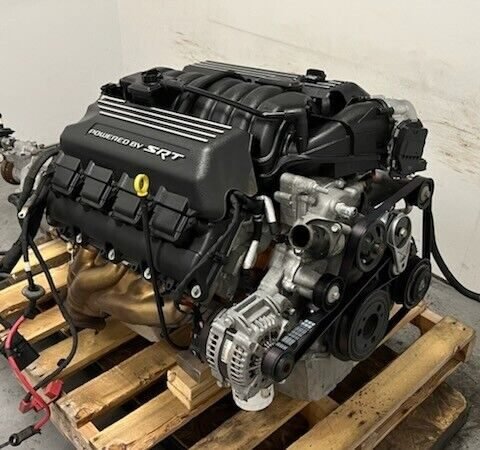

There are no reviews yet.